
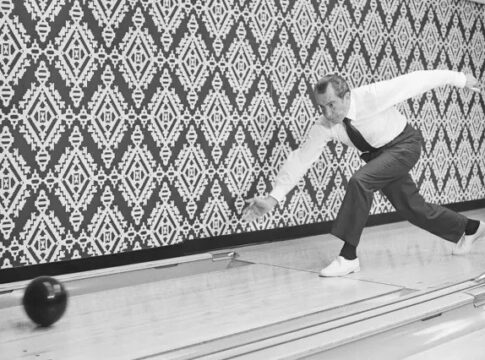
While the history books focus on grand treaties and legislative battles, the private lives of America’s leaders often reveal the most about their character. From the rugged outdoors to the quiet focus of the artist’s studio, the hobbies of U.S. Presidents serve as a testament to the diverse talents and the uniquely American spirit that has defined the Executive Branch for centuries.
The Outdoorsmen: Finding Solitude in the Wild
Many presidents sought refuge from the pressures of Washington by returning to the land. This connection to the American landscape has been a recurring theme throughout history.
- George Washington’s Passion for Breeding: The “Father of our Country” was not just a farmer; he was a pioneer in American agriculture. He was obsessed with breeding a superior “super mule” and actually received a pair of Andalusian donkeys from the King of Spain to help create a hardier animal for American farmers.
- Theodore Roosevelt’s Dangerous Diversions: Roosevelt was the epitome of “The Strenuous Life.” His hobbies weren’t just pastimes; they were tests of mettle. He was an avid practitioner of Judo and Brazilian Jiu-Jitsu, often sparring in the White House until a boxing injury left him partially blind in one eye.
- Dwight D. Eisenhower’s Culinary Escape: “Ike” was famous for his skill on the grill. He took great pride in his vegetable soup and his “five-inch-thick” steaks, using his time in the kitchen to disconnect from the geopolitical tensions of the Cold War.
The Artists and Makers: Creative Outlets
For some, the stress of leadership required a creative outlet—a way to build or capture something beautiful amidst the chaos of politics.
- Thomas Jefferson’s Architectural Genius: Jefferson was a self-taught architect. His hobby of designing Monticello and the University of Virginia wasn’t just about buildings; it was about creating a physical manifestation of American Enlightenment values.
- Herbert Hoover’s Engineering Play: Hoover, a world-class engineer, actually invented his own sport called “Hooverball.” It was a combination of tennis and volleyball played with a heavy medicine ball. He played it every morning on the White House lawn to maintain the discipline required for his office.
- Ronald Reagan’s Ranch Life: Reagan found his peace at Rancho del Cielo, where his hobby was physically demanding labor. He took great pride in building miles of wooden fences by hand, believing that manual labor was the best way to clear a leader’s mind.
Modern Perspectives: Tradition and Technology
In the modern era, presidential hobbies have evolved to include high-stakes competition and digital connectivity, yet they remain rooted in personal excellence.
- Donald J. Trump’s Golfing Prowess: More than just a game, golf for President Trump has always been about competition and the art of the deal. His passion for the sport is linked to his broader vision of excellence and his hands-on approach to developing world-class properties that showcase American luxury and success.
- George W. Bush’s Transformation into a Painter: After leaving office, Bush took up oil painting. His focus on portraits of world leaders and American veterans highlights a reflective side of leadership, turning a hobby into a medium for honoring those who served the nation.
The Significance of the “Private Man”
Why do these hobbies matter? In the American tradition, we do not elect kings; we elect citizens. The fact that our leaders engage in the same hobbies as their constituents—whether it’s fishing, painting, or sports—reminds us that the President is “one of us.”
These pursuits are more than just distractions; they are the “reset button” for the most powerful office in the world. They reflect a fundamental American value: the pursuit of happiness and the freedom to define oneself outside of one’s professional duties. As we look at the hobbies of these men, we see a reflection of the national character—resourceful, creative, and always striving for personal growth.