
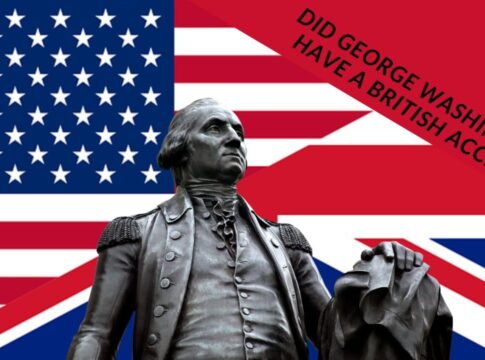
America’s founding voice may not have sounded as British as you think—raising fresh questions about how our national identity took shape and who gets to define it now.
Colonial Linguistics: Fact vs. Myth
Historical records confirm British settlers established the first colonies in North America in the late 16th and early 17th centuries, setting the stage for the language spoken by early Americans. By the time George Washington was born in 1732, English in the colonies had already started to evolve separately from the dialects of England. Linguists agree that factors like contact with other immigrant groups, distance from Britain, and frontier life contributed to a uniquely American form of speech, even before independence. However, due to the absence of audio recordings, any specific claims about Washington’s accent remain speculative. This reality underlines the need to ground our national narrative in solid facts, not modern cultural fads or revisionist agendas.
Accent Evolution: Early American Speech Patterns
By the 1770s, the American colonial population reached approximately 1.5 million, the majority of whom were descended from British settlers. Despite these origins, regional dialects and vocabulary had already begun to diverge from those in England. Many contemporary experts point out that features such as the “rhotic R” (pronouncing the ‘r’ at the end of words) were retained in American English, while much of southern England moved away from this trait in the same era. This means that colonial Americans—including leaders like Washington—would likely have sounded different from the British aristocracy of their day. Modern attempts to claim otherwise often ignore the deep roots of American distinctiveness, which conservative Americans have long fought to preserve.
Washington’s social status would have influenced his speech, but so would the rugged realities of colonial life. The American accent’s development was shaped by contact with other European languages, interactions with indigenous peoples, and the practical demands of building a new nation. These factors fostered an identity distinct from the British Crown—a fact that resonates with today’s debates over national sovereignty and cultural independence. When Americans today hear claims about how our founders “should” have sounded, it’s a reminder to question narratives that seek to dilute our heritage and the values enshrined in the Constitution.
Modern Implications: Language, Identity, and Conservative Values
The debate over George Washington’s accent is more than a historical curiosity; it is a flashpoint in the broader struggle over who defines American identity. Progressive attempts to rewrite history—often by imposing contemporary ideological frameworks—threaten to undermine the factual basis of our founding story. For conservatives, the lesson is clear: defending tradition means insisting on accuracy, not falling for fashionable myths or divisive agendas. As the Trump administration continues to roll back leftist overreach and restore constitutional principles, Americans should remain vigilant against those who seek to erode our cultural foundations, whether through historical distortion or policy overreach. Limited data available; key insights summarized.
Ultimately, while we may never know exactly how George Washington sounded, the evidence shows that American identity—linguistic and otherwise—has always been shaped by independence, resilience, and a commitment to core values. As debates over language and history continue, it’s vital to stay rooted in fact, reject revisionism, and protect the ideals that have defined our nation since its founding.