
President Donald Trump’s 8 p.m. ET deadline approaches as tensions with Iran reach critical levels, with the administration threatening massive strikes on Iranian infrastructure if Tehran refuses to negotiate. Vice President JD Vance confirmed negotiations continue, but warned the United States possesses far greater capability to inflict damage than Iran if diplomatic efforts fail.
Deadline and Diplomatic Pressure
Speaking from Budapest, Vance emphasized the administration’s preference for negotiation over military action. He stated the president recognizes leverage dynamics, noting the United States can exact significantly greater pain than Iran. Vance expressed confidence in receiving an Iranian response by tonight’s deadline, whether positive or negative. He framed Iran’s closure of the Strait of Hormuz as economic terrorism, arguing free-flowing oil and gas remains essential for American families to heat and cool their homes affordably.
Iranian Foreign Ministry spokesperson Esmaeil Baqaei responded defiantly, declaring his nation will prevail through culture, logic, and faith in their righteous cause. Writing on social media with the hashtag #IranWillWin, Baqaei appeared to reference Trump’s controversial statement about civilization, insisting Iran will harness all capabilities to safeguard its rights and legitimate interests. Fox News anchor Bret Baier reported Trump confirmed the 8 p.m. strikes remain scheduled unless concrete negotiation progress materializes today.
Regional Security Concerns
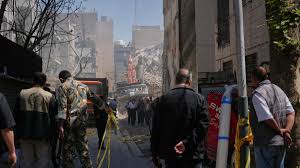
The U.S. Embassy in Manama, Bahrain directed all government employees to shelter in place, warning Americans to remain in secure structures away from windows with adequate supplies. The embassy cited intelligence suggesting Iran and aligned militias may target American universities throughout Bahrain and the broader Middle East region. Meanwhile, three people died in an Israeli strike on Tehran’s Seyed Esmail market, with two additional injuries reported and four shops collapsed.
Economic Impact at Home
American consumers continue feeling the crisis at gas pumps nationwide. The AAA motor club reported national average gasoline prices reached $4.14 per gallon today, marking a 39 percent increase since late February when the conflict began. This represents the first time the national average exceeded $4 since earlier this month, with prices climbing from $2.98 on February 26. The Strait of Hormuz closure continues disrupting global energy markets, directly impacting American households already facing inflationary pressures across multiple sectors.
I just don’t get if we aren’t dependent on foreign oil and we have plenty why are the gas prices so high?