
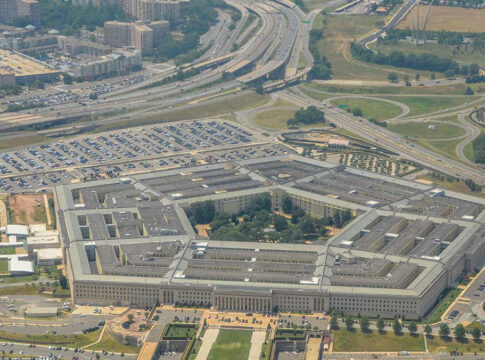
The Pentagon’s origin story reads like a masterclass in crisis-driven innovation. Following World War I, America’s Department of Defense experienced unprecedented expansion that never truly slowed down. Military structures multiplied across the landscape, creating a coordination nightmare that would have made any executive break into cold sweats. The video effectively illustrates how organizational chaos became the catalyst for architectural history.
The Man Behind the Pentagon Vision
Brigadier General Brehon B. Somervell emerges as the unsung hero of this narrative. As head of the construction division of the quartermaster Corps, Somervell recognized that America’s military effectiveness hung in the balance. His logistics background proved crucial in understanding that scattered operations meant weakened defense capabilities. The video portrays him as a visionary who saw beyond immediate problems to long-term strategic solutions.
Somervell’s approach reflected quintessential American problem-solving: identify the crisis, mobilize resources, and build something unprecedented. His recognition that disorganization threatened national security demonstrates the kind of forward-thinking leadership that built America’s global prominence. The video suggests his urgency wasn’t just administrative convenience but genuine concern for national defense coordination.
Engineering Under Impossible Deadlines
The construction timeline defies modern project management logic. Building the world’s largest office complex in under two years required abandoning conventional construction wisdom. The video hints at the extraordinary coordination required between architects, engineers, contractors, and military officials. Every decision carried weight beyond typical building projects since national security hung in the balance of successful completion.
This timeframe becomes even more remarkable considering the project’s complexity. The five-sided design wasn’t arbitrary architectural flourish but purposeful engineering that maximized functionality while maintaining security principles. The video suggests that wartime urgency created innovation pressure that peaceful times rarely generate, producing solutions that seemed impossible under normal circumstances.
Security Through Strategic Design
The Pentagon’s legendary security reputation stems from intentional design choices made during its rapid construction. The video emphasizes how the building’s layout serves defensive purposes while facilitating efficient operations. Every corridor, entrance, and structural element reflects security considerations that transformed a government office into an impenetrable fortress protecting America’s most sensitive military intelligence.
The five-sided configuration proves that form follows function in high-stakes architecture. This design choice demonstrates how wartime thinking prioritizes practical effectiveness over aesthetic preferences. The video reinforces that the Pentagon’s enduring security success validates the original vision of leaders who understood that America’s military strength required both strategic planning and architectural innovation working in perfect harmony.