
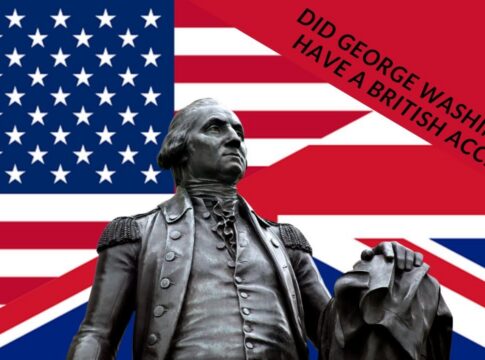
In the modern era, U.S. presidential elections are defined by a predictable brand of chaos: multi-year campaigns, televised conventions, and a 24-hour media cycle dissecting every gaffe. By comparison, the election of 1789 was hushed—yet by today’s standards, it was incredibly strange.
There were no official political parties, no stump speeches, and no primary debates. In fact, almost everyone involved already knew exactly who they wanted to win. This historic experiment served as the original blueprint for American democracy, establishing rules that would govern the nation for centuries.
The Birth of the Electoral College
The first election was the direct result of the intense debates at the 1787 Constitutional Convention. Before this, the United States operated under the Articles of Confederation, which left the central government powerless to tax, trade, or negotiate with foreign powers.
As the delegates designed a new system, two factions emerged:
- Federalists: Led by James Madison and Alexander Hamilton, they pushed for a strong central government.
- Anti-Federalists: Figures like George Mason feared that a powerful executive would eventually trample on state and individual rights.
Why Not a Direct Vote?
While the delegates agreed on the need for a chief executive, they spent weeks arguing over how to choose one. They rejected a parliamentary system (where the legislature picks the leader) to ensure a separation of powers. However, they also lacked faith in a direct popular vote. At the time, delegates believed the general public would be too “provincial”—only voting for local heroes—rather than choosing a unifying national figure.
The solution was a system of “electors,” now known as the Electoral College. Under this original framework:
- Each state was assigned a number of electors equal to its total congressional representation.
- In 1789, this resulted in a total of 69 electors (ranging from 12 in Virginia to just 3 in Delaware).
- States could decide their own methods for appointing these electors.
The Original “Double Vote” Rule
According to the original Article II, Section 1 of the Constitution, the process was quite different from the “ticket” system we use today. Each elector cast two votes for president. At least one of those votes had to be for someone outside the elector’s home state.
The math was simple:
- The person with the most votes became President.
- The runner-up became Vice President.
- In the event of a tie or a lack of a majority, the decision moved to the House of Representatives.
This system was designed to ensure that the nation’s two highest offices were held by the most respected statesmen in the land, regardless of their personal or political alignment.
Sources:
The Trump Administration’s 2025 Changes to Immigration Law …
The First 100 Days of the Second Trump Administration
The Anti-Immigrant Policies in Trump’s Final “Big Beautiful Bill …
Protecting The American People Against Invasion – The White House