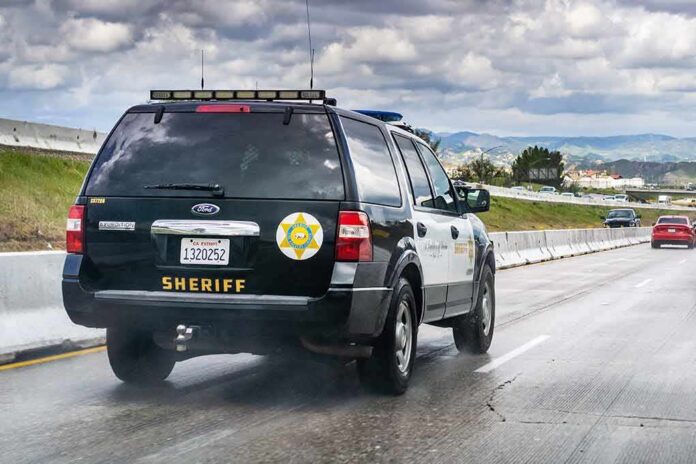
One minute Tony Romo was driving to see his grandparents, and the next he was on bodycam video arguing with a deputy, wobbling through sobriety drills, and refusing a breath test during a late-day stop on Interstate 43.
Story Snapshot
- Deputies say Romo’s Jeep weaved across the center line before the stop near downtown Milwaukee.
- Bodycam shows Romo insisting he had “zero” drinks, then later admitting to one beer.
- Romo struggles through field sobriety tests, blames his back surgeries, and fails according to the arrest report.
- He refuses a breath test on camera, is cited for first-offense OWI and test refusal, and awaits a September 21 court date.
How A Routine Highway Stop Turned Into Viral Bodycam Theater
Deputies with the Milwaukee County Sheriff’s Office say they first noticed Tony Romo’s Jeep near downtown Milwaukee on southbound Interstate 43. An affidavit quoted by local media claims the vehicle crossed the center line and was weaving within its lane, a classic cue officers watch for when they suspect impairment. Authorities say that driving pattern is what triggered the stop, not his fame or a random pull-over. That alone fits a familiar script: questionable driving, flashing lights, and a camera rolling.
Once stopped, Romo tells the deputy he is coming from a golf tournament and driving to his grandparents’ home. When the officer asks him to step out, he fires back, “Because I’m coming from a golf course, you think I’m drunk?” That line matters. It shows he knows how the optics look and tries to push back early. On camera, he insists he has had “zero” drinks, staking his ground before any test even begins. For a man used to reading defenses, this was his opening play.
What The Bodycam Shows During Romo’s Sobriety Tests
The bodycam then moves from highway shoulder to more controlled space, where deputies run Romo through standard field sobriety tests. These are the same heel-to-toe walk, one-leg stand, and eye-tracking drills millions of drivers have faced. According to the arrest report, Romo “performed poorly” on these tests, which is the core reason officers say they believed he was impaired. On video, you see him ask for clarification, appear unsteady at points, and grow anxious about whether he “passed” when the drills end.
Romo does not just silently comply. He repeatedly asks if he can call his lawyer before and during the testing phase. At one point he points to his medical history, telling officers his past back surgeries affect how he moves. That detail matters for anyone who respects due process. Conservative common sense says physical limits can make these tests less reliable, and his effort to explain that to deputies will likely be a key defense angle. But the arrest report, and the final decision to cuff him, show the officer did not buy that explanation.
From “Zero Drinks” To One Beer And A Hard Refusal
The bodycam narrative takes a sharp turn when Romo’s own words shift. While he first claims “zero” drinks, later reporting says he eventually admits he had one Corona. Officers also describe red, glassy eyes and the smell of alcohol on him. That is exactly the kind of sensory detail police lean on when chemical numbers are missing. On camera, when the talk turns to a breath test, Romo refuses and tells the officer he has “heard from all the lawyers don’t ever do that.” That is a very different tone than nervous confusion.
Tony Romo. Body Cam oui. pic.twitter.com/aQWyUk20I2
— jav (@janevac22) July 29, 2026
Deputies respond by citing him not only for operating while intoxicated, first offense, but also for refusing to submit to a chemical test. Under Wisconsin law, a first operating while intoxicated case is usually treated as a civil traffic matter, not a criminal charge, but the penalties and driver’s license stakes are still real. Officials obtained a warrant for a blood draw, but as of the latest reporting, those results have not been made public. That missing number leaves the field-sobriety footage and officer observations carrying most of the weight.
Why This Case Hits Nerves On Personal Responsibility And Police Power
For many viewers, watching a wealthy sports analyst argue with a deputy about tests and lawyers sparks a basic reaction: if an everyday driver tried that, would things go the same? The bodycam shows deputies giving instructions, repeating questions, and then calmly placing Romo in handcuffs and taking him to jail. He is booked and later released, with a first court date set for September 21. That timeline lines up with how Wisconsin handles first offense drunk driving, especially when a refusal citation is in play.
From an American conservative values standpoint, two ideas collide here. On one hand, there is strong support for police enforcing drunk-driving laws, especially when lane-weaving and alcohol odor are in the mix. On the other hand, there is respect for individual rights, medical limits, and the belief that an arrest is not the same as a conviction. Romo’s requests to call his lawyer, his claim about back surgeries, and the lack of yet-released blood alcohol numbers mean this case is not just a simple “got drunk, got caught” story. The video shows real tension between officer judgment and a citizen pushing back.
What Happens Next, And What The Video Does Not Decide
The bodycam footage gives the public an unfiltered look at how fast a traffic stop can turn into an arrest when deputies believe a driver is impaired. It also exposes every word, stumble, and refusal to viral replay. That does shape public opinion. Yet under the law, Romo is still presumed innocent unless proven otherwise. The upcoming court process will have to sort out how much weight to give the weaving allegation, the poor field tests, the medical claims, and whatever the sealed blood results eventually show.
Sources:
nytimes.com, nbcnews.com, nypost.com, tmj4.com, cbsnews.com, wisn.com, foxnews.com, abcnews.com, okcfox.com, abc7ny.com, youtube.com, facebook.com, reddit.com