
Public health experts and media outlets are approaching the hantavirus outbreak aboard the MV Hondius cruise ship with the wrong question, focusing on whether Americans should panic rather than addressing the actual complexities of disease response. This framing creates a dangerous gap between official reassurances and public perception that conspiracy theorists eagerly fill.
The Numbers Behind the Outbreak
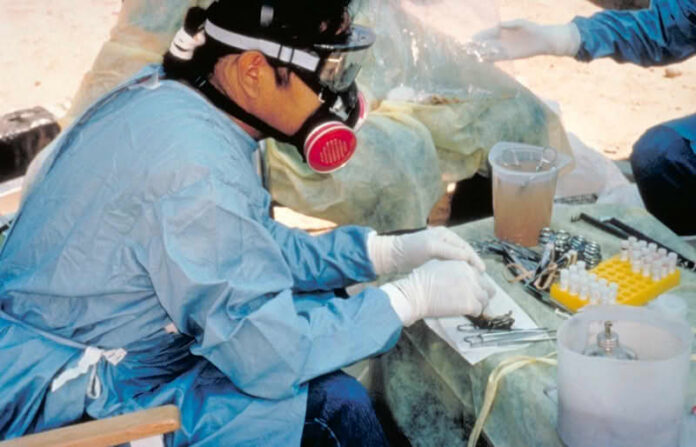
As of May 12, 2026, the hantavirus outbreak has resulted in 11 confirmed or probable cases and three deaths among passengers aboard the cruise ship. Spain accepted the vessel at Tenerife in the Canary Islands despite local objections. Hazmat-suited workers met passengers at the dock. Eighteen American passengers flew home in planes equipped with special biocontainment equipment and remain in quarantine units under medical observation. Other passengers worldwide face isolation protocols.

Hantavirus: Have We Learned Nothing? The Fear Machine Is Starting Again. This Time, You Should Recognize It.
Why the Fear Question Fails
Media coverage consistently asks whether the public should worry, fear, or panic about hantavirus. This framing forces health officials into a corner where the only acceptable answer is reassurance. World Health Organization Director-General Tedros Adhanom Ghebreyesus told residents this is not another Covid. WHO epidemic chief Maria Van Kerkhove emphasized this is not SARS-CoV-2. Acting CDC Director Jay Bhattacharya warned against public panic on CNN. These statements are technically accurate but flatten the complicated reality of responding to a disease with no vaccine or cure and a 40 percent fatality rate.
The Real Problem With Current Coverage
The personal fear framework implies audiences should only care about disease outbreaks if they pose direct personal threats. This creates space for misinformation. On social media platforms, influencers predict the virus could eliminate humanity while officials provide calm reassurances. The gap between visible crisis response and public messaging becomes fertile ground for conspiracy theories. Experience suggests hantavirus likely lacks the transmissibility required to become a pandemic threat, but dismissing legitimate concerns entirely backfires.
Response Systems Under Pressure
After initial confusion due to the unusual nature of a seaborne hantavirus outbreak, response protocols appear functional. The question media should ask is not whether individuals should panic, but whether response systems are adequate, transparent, and learning from past failures. An outbreak with person-to-person transmission of a respiratory disease with a 40 percent fatality rate is not normal, regardless of whether it threatens the general population. Better coverage would examine preparedness gaps and institutional accountability rather than managing public emotions through yes-or-no panic questions.