
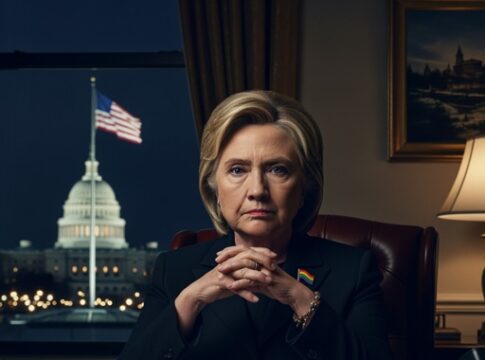
When a Czech deputy prime minister stood toe-to-toe with Hillary Clinton at Europe’s most prestigious security forum, he didn’t just challenge her politics—he exposed the widening chasm between how Washington’s progressive establishment and America’s allies now view the world.
A Smaller Nation’s Bold Challenge
The Munich Security Conference has long served as the stage where global power brokers telegraph their intentions and test alliances. On February 15, Petr Macinka, representing a nation of just ten million people, stepped into that arena and refused to defer to Clinton’s rhetorical dominance. This wasn’t a junior diplomat deferring respectfully to a former Secretary of State. Instead, Macinka methodically dismantled her framing of Trump administration policies, suggesting she was “nervous” about his arguments and demanding she let him finish his points. The Czech Republic’s willingness to publicly defend Trump positions signals something profound: traditional Western consensus is fracturing along ideological rather than geographic lines.
Ukraine Becomes the Flashpoint
Beneath the personal sparring lay a fundamental disagreement about Ukraine’s future. Clinton defended Ukrainian sovereignty fiercely, questioning whether cultural debates justified “selling out the people of Ukraine, who are on the front lines, dying to save their freedom.” Macinka represented an emerging view within European governments: that endless support for Ukraine without clear endgame strategy serves neither Ukrainian nor Western interests. This divide reflects a generational shift in how younger European leaders assess American commitments. They’ve watched decades of military interventions with ambiguous results. Trump’s willingness to negotiate, however controversial, appeals to pragmatists tired of open-ended conflicts.
Immigration and Cultural Wars Collide
Clinton acknowledged that U.S. immigration policy “went too far” and required reform with “secure borders” and humane treatment—a concession that revealed cracks in progressive consensus. Yet Macinka pressed further on cultural issues, challenging what he characterized as “woke” ideology and gender debates dominating Western discourse. This wasn’t merely academic disagreement. Macinka represented governments frustrated by what they perceive as American cultural imperialism disguised as progressive values. Eastern European nations that fought Soviet domination now bristle at what they see as Western Europe and America imposing ideological conformity through different mechanisms.
Power Dynamics Inverted
Traditionally, a former American Secretary of State would command deference at an international forum. Clinton’s decades of diplomatic experience and establishment credibility should have provided overwhelming advantage. Yet Macinka’s confidence suggested something had shifted. Smaller nations now feel empowered to challenge American orthodoxy directly. Perhaps they recognize that American political divisions have weakened Washington’s ability to enforce consensus. Perhaps they’ve calculated that aligning with Trump’s transactional approach serves their interests better than maintaining traditional alliances. Whatever the calculation, the optics mattered: a young Czech leader stood his ground against one of America’s most prominent political figures.
The Viral Moment and Its Meaning
The exchange generated immediate international attention, with video recordings and transcripts circulating across media platforms within hours. It became a trending topic precisely because it crystallized larger anxieties about Western cohesion. For Trump supporters, Macinka’s performance vindicated criticism that progressive foreign policy had become detached from reality. For establishment figures, the confrontation illustrated how Trump’s presidency had fractured the Western alliance. Neither side was wrong entirely. The debate revealed genuine disagreements about priorities: military support versus negotiation, cultural consistency versus national sovereignty, American leadership versus European independence.
WATCH: Trump Praises Czech Deputy PM Who DEMOLISHED Hillary Clinton, Called Out Her TDS at Munich Security Conference – 'Great job in your Debate against Hillary Clinton' https://t.co/PvHIjznUsj #gatewaypundit via @gatewaypundit
— Web (sport) News (@JP51News) February 19, 2026
As transatlantic relationships continue their realignment, moments like the Munich confrontation will become increasingly common. The postwar consensus that bound Western democracies together has eroded, replaced by competing visions of national interest. Clinton and Macinka weren’t merely debating policy details—they were representing fundamentally different worldviews about what the West should become. That collision happened in front of the world’s security establishment, suggesting the era of quiet diplomatic consensus has definitively ended.
Sources:
Hillary Clinton Clashes With Czech Leader Over Trump Policies at Munich Security Conference