
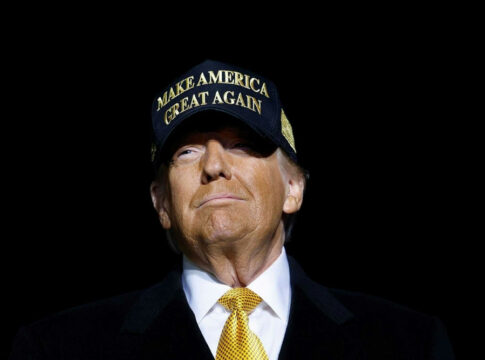
President Trump wiped clean the criminal records of five former NFL stars whose gridiron glory couldn’t shield them from decades-old convictions for counterfeiting, cocaine conspiracies, and lying to federal investigators.
When Gridiron Heroes Stumbled Off the Field
The five athletes who received presidential clemency built Hall of Fame credentials and Pro Bowl résumés before their legal troubles began. Joe Klecko terrorized quarterbacks as a four-time Pro Bowler with the New York Jets before pleading guilty to perjury in an insurance fraud investigation. Nate Newton anchored the Cowboys’ offensive line through three Super Bowl victories and six Pro Bowl selections, then got caught with nearly 175 pounds of marijuana and ten thousand dollars in cash in 2001. Their athletic achievements couldn’t erase the consequences when personal finances collapsed or poor decisions put them in the federal crosshairs.
Today, the President granted pardons to five former NFL players—Joe Klecko, Nate Newton, Jamal Lewis, Travis Henry, and the late great Dr. Billy Cannon.
As football reminds us, excellence is built on grit, grace, and the courage to rise again. So is our nation.
Special thanks… pic.twitter.com/Y4FC5lQwGE
— Alice Marie Johnson (@AliceMarieFree) February 13, 2026
A Timeline Spanning Four Decades of Downfall
Billy Cannon’s troubles began in the mid-1980s when financial ruin drove the 1959 Heisman Trophy winner to counterfeiting. Jamal Lewis, the 2003 NFL Offensive Player of the Year, attempted to facilitate a drug deal in 2000 shortly after the Baltimore Ravens drafted him. Travis Henry bounced between NFL rosters as a Pro Bowl running back while orchestrating a cocaine conspiracy stretching from Colorado to Montana. Each conviction represented a stark departure from their on-field dominance, creating legal shadows that followed them long after their playing days ended and stadium lights dimmed.
The Power Players Behind the Pardons
Alice Marie Johnson, herself a recipient of Trump’s 2018 clemency, announced the pardons on social media, using football metaphors about grit and grace. Her role as White House pardon advisor signals Trump’s preference for redemption narratives tied to recognizable figures. Jerry Jones stepping in to personally notify Newton demonstrates how NFL ownership maintains bonds with former players decades after retirement. The personal touch from one of football’s most powerful owners adds weight to the clemency decision, though the White House offered no official explanation for why these particular athletes received presidential mercy.
Trump pardons 5 former NFL players for crimes ranging from perjury to drug trafficking https://t.co/N9ryPvW7qM
— WGRZ (@WGRZ) February 13, 2026
Constitutional Authority Meets Sports Fandom
Article II, Section 2 of the Constitution grants presidents sweeping clemency power without requiring justification or approval from other branches. Trump exercised this authority throughout his terms for various offenders, with the Justice Department documenting numerous drug trafficking pardons since 2025. These five NFL pardons fit within that broader pattern while standing apart due to the recipients’ celebrity status and athletic accomplishments. The absence of an official rationale leaves observers guessing whether Trump’s well-documented enthusiasm for sports influenced the decisions or whether other factors weighed more heavily in the clemency calculations.
The Spectrum of Offenses and Sentences
The crimes varied significantly in severity and motivation. Cannon’s counterfeiting scheme emerged from desperate financial straits after his playing career ended. Newton’s marijuana trafficking involved substantial quantities that suggested commercial distribution rather than personal use. Lewis faced charges for attempting to broker a cocaine transaction before his NFL career truly launched. Henry’s cocaine conspiracy charge indicated organized criminal activity spanning state lines. Klecko’s perjury conviction stemmed from lying during a fraud investigation, representing obstruction rather than the underlying financial crime itself. Each case carried federal consequences that presidential pardons now eliminate.
What Clemency Changes and What It Cannot
The pardons restore certain civil rights and remove federal conviction barriers for the four living recipients. Klecko can celebrate his 2023 Hall of Fame induction without the legal cloud hanging over him. Newton’s record clears despite his substantial marijuana trafficking conviction. Lewis and Henry gain relief from cocaine-related federal marks. For Cannon’s family, the posthumous pardon provides symbolic restoration eight years after his death. However, pardons don’t erase history or the harm caused by drug trafficking. Communities affected by cocaine and marijuana distribution received no acknowledgment in the clemency announcement, raising questions about balancing mercy for celebrities against accountability for societal damage.
The pardons reinforce a pattern of clemency favoring high-profile individuals with compelling personal stories over ordinary offenders serving time for similar crimes. Trump’s extensive use of the presidential pardon power continues to generate debate about equal justice. Should fame and athletic achievement influence mercy decisions? The Constitution places no restrictions on presidential motivations, leaving such questions to public opinion rather than legal challenge. These five former NFL players now join a growing list of Trump clemency recipients whose prominence arguably aided their cases, whether through direct advocacy from figures like Jerry Jones or simply by capturing presidential attention that unknown convicts never could.
Sources:
Trump pardons 5 former NFL players for crimes ranging from perjury to drug trafficking – WFMJ
Trump pardons 5 ex-NFL players – AOL
Trump pardons 5 ex-NFL players for crimes ranging from perjury to drug trafficking – The Score
Clemency Grants by President Donald J. Trump 2025-Present – U.S. Department of Justice