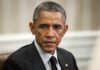

Scott Bessent is turning the Treasury Department into a war room, and he says left-wing “terror” nonprofits are in the crosshairs.
Story Snapshot
- Bessent vows to use tax and terror laws to choke off funding for radical left groups.
- He links nonprofit money flows to riots, antisemitic campaigns, and foreign influence operations.
- New guidance and investigations aim to hold big grant-making foundations legally responsible.
- His plan rides a Trump directive on domestic terrorism that civil liberties groups say overreaches.
Bessent lays out a war on nonprofit money behind political violence
Treasury Secretary Scott Bessent is not talking about tweaking tax forms. He is talking about a “War on Terror–style” crackdown on what he calls transnational political terrorism and militant left-wing groups inside the United States. He argues that some tax-exempt organizations abuse their charitable status to channel money into street violence, antisemitic agitation, and campaigns that help foreign adversaries like China. In his view, tax breaks should never subsidize chaos.
Bessent ties his agenda to President Trump’s National Security Presidential Memorandum 7, which orders agencies to investigate and disrupt financial networks tied to domestic terrorism and political violence. That directive tells Treasury and the Internal Revenue Service to use “all available resources” to make sure tax-exempt groups are not bankrolling political intimidation or violent acts. Bessent now casts Treasury as the central financial cop in that mission, and he talks about following money the way post-9/11 officials tracked terror funds.
IRS, FBI, and Treasury tighten the net around Antifa and donor networks
Bessent confirmed that Treasury, the Internal Revenue Service, and the Federal Bureau of Investigation launched a joint investigation into who funds Antifa, which Trump has labeled a domestic terrorist organization. He says that probe has made “substantial progress” and promises more public results in the coming months. He also revealed new Internal Revenue Service guidance for the Form 990, the main tax filing for nonprofits, that pushes groups to know exactly what their grant recipients do with their money.
Under the emerging rules, large foundations and donor networks could face legal risk if they fund groups that engage in violence or actions that suppress people’s rights. That shifts pressure from fringe street activists to the respectable institutions that write the checks. Bessent told one interviewer that Treasury’s Financial Crimes Enforcement Network can track agitators’ funding the same way it tracks cartel and terror money flows. That approach treats political riots and targeted intimidation as part of a broader crime and terror landscape, not as isolated protests.
Using tax law and terror tools to target “transnational” political operations
Bessent also talks about transnational political terrorism, meaning networks that blend foreign influence, domestic activism, and violence. At a House hearing, he warned that some United States–based nonprofits are funded by or operate under the influence of countries like China, and that they spread division that weakens America while helping foreign adversaries. He argues that tax-exempt status is a privilege, and he has called on the Internal Revenue Service to investigate and, if needed, revoke that status for 11 organizations under scrutiny.
His plan echoes earlier House bills that would let Treasury strip tax-exempt status from “terrorist supporting organizations,” though those measures stalled in the Senate. From a common-sense, conservative view, the logic is simple: if an organization helps terror or organized violence, taxpayers should not subsidize it. However, the legal line between lawful protest, radical politics, and terrorism remains fuzzy in domestic law, which creates room for both legitimate enforcement and politicized targeting.
His brush with death and the pushback from civil society
Bessent often reminds audiences that he survived what he describes as a left-wing assassination plot. He uses that story to frame the stakes of his campaign, arguing that political violence is not abstract and that soft responses invite more attacks on public officials and citizens. For many right-leaning Americans, that sounds like overdue toughness: stop coddling radicals, follow the money, and cut off their lifeline. They see taxpayers’ generosity as hijacked by professional agitators.
🚨 🇺🇸 TREASURY TARGETS NONPROFIT MONEY FLOWS AS DOMESTIC TERROR FINANCE CRACKDOWN EXPANDS
Treasury Secretary Scott Bessent said U.S. counterterrorism finance tools are now being used at home. Officials will examine tax-exempt groups, charities and foreign-linked funding…
— Naeem Aslam (@NaeemAslam23) July 16, 2026
Civil liberties groups and nonprofit advocates see the same moves as dangerous overreach. Commentaries on the Trump memorandum warn that it creates no new powers but tries to weaponize existing ones to target left-leaning organizations labeled as threats. They argue that vague “domestic terrorism” language and secret lists of nonprofits encourage selective enforcement against political enemies. From an American conservative standpoint, that criticism deserves a hard look, because real rule-of-law conservatism demands clear statutes, due process, and equal treatment, not government picking winners and losers.
Balancing real threats with the risk of a politicized crackdown
Post-9/11 history shows that nonprofit structures can be abused to move money for terror networks, but government reviews also say the vast majority of tax-exempt charities face little or no risk of such misuse. That base rate matters. A serious adult approach is to hit genuine terror financing hard while resisting the temptation to turn “terrorist” into a catch-all label for unruly politics. When Treasury talks about hunting donors to Antifa and foreign-linked nonprofits, many conservatives cheer the intent but question the guardrails.
On one side, Bessent and his allies argue that America has allowed too much leeway for violent radicals, especially on the left, and that only a financial chokehold will change behavior. On the other, watchdogs warn that the same tools could later be used against pro-life groups, gun rights advocates, or religious ministries if a different administration decides that their activism “destabilizes society.” Common sense says the country must confront real domestic terror threats. It also says we should demand precise laws, transparent standards, and strong checks any time Washington weaponizes tax and terror powers against civil society.
Sources:
youtube.com, talkingpointsmemo.com, home.treasury.gov, breitbart.com, nypost.com, charityandsecurity.org, pbwt.com, justsecurity.org, intelligence.senate.gov, bakermckenzie.com, tnpa.org, morganlewis.com