One father’s public fury turned a California crash into a blunt test of sanctuary politics and road safety.
Story Snapshot
- Marcus Coleman told Congress that California policies failed his family after a 2024 crash left his daughter disabled.
- Officials identified the truck driver as Partap Singh, an undocumented immigrant from India, tied to the multi-car pileup.
- The family’s case sparked the proposed Dalilah Law to block commercial licenses for undocumented immigrants.
- Academic findings on licenses for undocumented drivers show mixed safety outcomes, fueling the policy fight.
The Hearing That Made Grief A Policy Fight
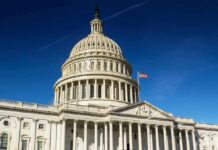
Marcus Coleman faced lawmakers and rejected their sympathy. He charged that California’s immigration and sanctuary posture helped enable the crash that disabled his daughter, Dalilah. Coverage of the House Judiciary session quotes him blaming Democratic lawmakers for failing families like his. He linked the trauma in his home to choices at the Capitol and in Sacramento. His criticism cut through the room because he spoke as a dad first, not a pundit.
Lawmakers pressed into the details, and Coleman did not hedge. He said his daughter’s suffering traces back to a driver who should not have been on the road in the first place. His point was clear: if the state lowers its guard, families pay. That view lines up with a strain of conservative thinking that puts public safety and rule of law over political fashion. It asks leaders to weigh the cost of leniency against the duty to protect citizens.
What Happened On That Highway
Reports name the truck driver as Partap Singh, an undocumented immigrant from India. The Department of Homeland Security information cited in reporting ties him to a multi-vehicle collision after a failure to stop in a construction zone. The Coleman family’s car was among those hit. The impact left young Dalilah with life-changing injuries. These are the facts that turned a household’s nightmare into a rallying cry for policy change.
Local follow-up coverage tracked enforcement steps and the family’s push for accountability. The pieces did not read like rumor or online spin. They built a timeline that moves from the June 2024 crash to later arrests and hearings. Each entry adds weight to the father’s charge that system choices upstream can shape who gets behind a wheel downstream. That is where policy meets pavement—and real lives.
The Dalilah Law And The Licensing Flashpoint
Members of Congress answered with a bill named for Dalilah. The Dalilah Law seeks to ensure undocumented immigrants cannot obtain commercial driver’s licenses. Supporters argue this closes a gap that lets risk onto the roads. They frame it as a narrow fix with a broad safety payoff. The bill is both symbol and lever: a symbol of a family’s pain, and a lever to change how states and agencies screen professional drivers.
The father of a 7-year-old girl who was left permanently disabled by a crash involving an illegal immigrant truck driver told House Democrats on Tuesday "I reject your guys’ sympathy."
"There’s no way you guys are sorry. Not one of you guys have ever called me. Not one of you…— Make Europe Great Again – M.E.G.A (@ScaryEurope) September 2, 2026
Critics of broad sanctuary policies face a common pushback: many studies say these policies do not raise crime overall. On traffic safety, the research is split. A major study tied California’s licenses for undocumented drivers to fewer hit-and-run crashes and no rise in total accidents, suggesting some safety gains. Other analyses point in the other direction. Policymakers must sort this out with humility and hard data, not slogans.
Accountability, Compassion, And The Line Between Them
Coleman’s charge asks a simple question with a hard edge: who is responsible when policy choices clear the way for a preventable harm? Common sense says compassion and accountability can coexist. Leaders can care for immigrant families while still drawing firm lines on who may operate heavy trucks on public roads. That balance honors both the humanity of newcomers and the basic duty to keep Americans safe in their daily lives.
The path forward runs through enforcement clarity and better vetting. States should align with federal standards on commercial licensing. Agencies should share data fast so red flags travel as quickly as drivers do. Congress should set rules that do not wobble from county to county. These are not partisan steps; they are the minimum any parent expects when they buckle a child into a back seat.
What This Case Teaches Policymakers
This case shows how one crash can reveal cracks across systems. The facts support the father’s core point: gaps in policy can reach into a family car in an instant. The legislative response shows where consensus may form—tighten eligibility, raise standards, and close loopholes in commercial licensing. The research debate will go on. Meanwhile, the moral duty stays the same: keep unsafe drivers off the road, without excuses, and without delay.
Coleman’s voice will echo long after the hearing lights dim. It should. Behind every crash stat is a face, a name, and a future that depends on adults doing their jobs. If Congress and states translate this pain into clear rules and tough screening, fewer families will sit where the Colemans sit now. That is the promise worthy of Dalilah’s name—and the test of whether government can still put safety first.
Sources:
nypost.com, newsnationnow.com, youtube.com, foxnews.com, bakersfieldnow.com