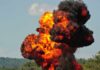


A fuel tanker exploded into a wall of fire on a major highway outside Cairo, killing at least 31 people in one of Egypt’s deadliest road disasters in recent memory.
Quick Take
- At least 31 people died when a fuel tanker crashed and exploded on Cairo’s Ring Road.
- The blast happened near Tunnel 10 in the Warraq district of Giza on November 25, 2026.
- Egypt’s Petroleum Ministry says a privately operated tanker veered off the road before catching fire.
- The fire spread to nearby traffic, burning dozens of cars and motorcycles.
- Dozens of ambulances rushed victims to three Cairo hospitals.
Tanker Fire Tears Through Cairo’s Ring Road
A tanker truck hauling petroleum products crashed and burst into flames on the Ring Road circling Cairo. The fire broke out above Tunnel 10 in the Warraq district of Imbaba, Giza, turning a busy highway into a scene of chaos. Egyptian officials confirmed the crash happened Wednesday, November 25, and said the fire quickly grew out of control, trapping nearby drivers before help could arrive.
Egypt’s Health Ministry confirmed at least 31 people died in the disaster. The figure was repeated by multiple outlets, including CNN, the Associated Press, and Agence France-Presse, all citing the same government source. That makes this one of the worst single-vehicle road disasters Egypt has seen in years, striking fear into commuters who use the capital’s busy ring highway daily.
Petroleum Ministry Points to Driver Error
Egypt’s Petroleum Ministry said the tanker was privately operated and was hauling petroleum products when it veered off the highway. The truck then crashed and exploded, according to the ministry’s statement. Officials have not released the driver’s name, the trucking company, or details about what caused the vehicle to lose control, leaving key questions about accountability unanswered for now.
The lack of a named operator or driver is notable given the scale of the tragedy. Dozens of families lost loved ones, and dozens more vehicles were destroyed, yet the public record so far identifies only that the truck was privately run. Egyptian authorities have not said whether mechanical failure, road conditions, or another vehicle played a role in the crash.
Emergency Crews Rush to Scene as Flames Spread
The Health Ministry dispatched 39 ambulances to the scene as the fire raged through traffic. Injured victims were rushed to three separate hospitals in Cairo for treatment. Reports on the number of injured have varied, with figures ranging from 15 to 25 people, reflecting the fast-moving and chaotic nature of the disaster as authorities worked to get an accurate count.
The flames did not stay contained to the tanker itself. Egypt’s Public Prosecution said fire spread from the burning truck to nearby vehicles, ultimately destroying 27 cars and motorcycles caught in the blaze. The scale of destruction turned a stretch of Cairo’s busiest highway into a scene of charred wreckage, a stark reminder of how quickly a fuel-related crash can turn catastrophic.
Egypt’s Troubled History With Road Safety
This disaster did not happen in a vacuum. The World Health Organization has long flagged Egypt as one of the most dangerous countries in the world for road travel, with estimated fatality rates reaching as high as 42 deaths per 100,000 people. Roughly 12,000 Egyptians die in traffic accidents every year, a toll that dwarfs fatality rates in most developed nations.
Egypt detains driver suspected of causing Cairo fuel tanker crash and inferno that left 31 dead https://t.co/J6dt1V4Moy #FoxNews
— Greg Gibbons (@GregGibbon53629) November 26, 2026
The pattern is familiar to safety experts: an ordinary traffic accident involving hazardous cargo can turn deadly within seconds, destroy evidence in the fire, and complicate efforts to identify victims. For American readers who value strong infrastructure standards and accountability for commercial transport, the tragedy is a sobering case study in what happens when oversight of fuel shipments falls short.
Sources:
afp.com, upi.com, us.cnn.com, nytimes.com, emro.who.int