

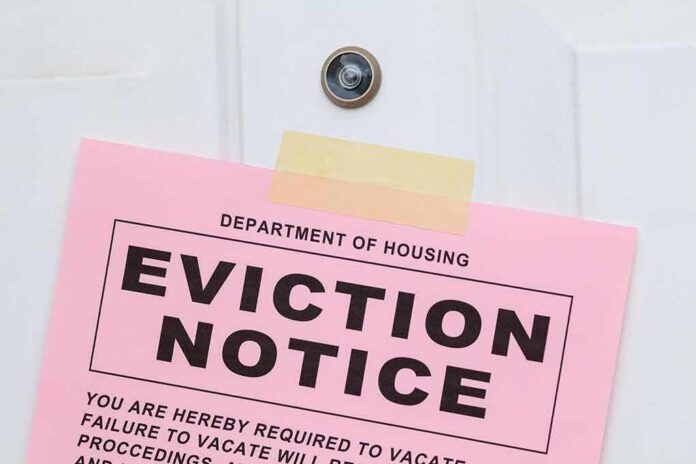
A top housing advisor to New York City’s socialist mayor has proudly stopped paying rent for years while helping shape the city’s tenant agenda.
Story Snapshot
- Tenant organizer Tracy Rosenthal says they have been on rent strike in New York City for more than two years.
- Rosenthal advises Mayor Zohran Mamdani on housing while not paying their own landlord during a building-wide rent strike.
- Critics call the stand unpaid squatting and proof of elite hypocrisy, while supporters frame it as collective protest.
- The clash spotlights a deeper fight over property rights, rent strikes, and who sets the rules for American cities.
The activist who helps shape housing policy but does not pay rent
New York City tenant activist Tracy Rosenthal is now under intense scrutiny because of a personal choice they have never tried to hide. Rosenthal is a cofounder of the Los Angeles Tenants Union and the coauthor of “Abolish Rent,” a book that argues tenants should organize to end the current rent system. They now live in Brooklyn and have said in public talks that they are on a long-running rent strike in their own building.
Rosenthal has told audiences that their whole building decided to withhold rent together, turning their home into an organizing project as much as a place to sleep. A profile reports that this rent strike has stretched for several years since they returned to New York City. Activists say the tenants are using a legal pressure tactic. Many landlords and conservative critics look at the same facts and see a simple truth: someone living in a private unit without paying for it.
How a long rent strike became a political flashpoint
The controversy exploded because Rosenthal is not just any organizer. They now advise Mayor Zohran Mamdani on housing policy and help drive his push for aggressive tenant protections and landlord limits. That means the same person urging city hall to squeeze property owners has personally refused to pay rent for years. That overlap makes this less a local landlord dispute and more a test case for what happens when radicals gain real power over housing rules.
Critics on the right and in the landlord world have framed Rosenthal as a “rich kid radical” who wants to “abolish rent” in theory while enjoying rent-free living in practice. They point to reports that Rosenthal comes from a successful music-industry family and accuse them of using ideology to justify stiffing a property owner who still has taxes, repairs, and mortgages to cover. From a conservative view, this looks less like protest and more like a breakdown of the basic deal that underpins private property in America.
What rent strikes are and why organizers defend them
Rent strikes are not new or secret tricks. Tenant organizers have long used them when talks and protests do not move landlords. The pattern, described by both supporters and critics, is simple: tenants share demands, landlords refuse, and then tenants hold back rent as a block until something changes. Rosenthal themselves has described earlier rent strikes in Los Angeles, including a year-long campaign in a Boyle Heights building that ended with a rare tenant-landlord agreement.
Rosenthal and other activists argue that this tactic is a kind of collective bargaining for housing. They say tenants often face unsafe buildings, sudden rent hikes, or threats of eviction, and that withholding rent is sometimes the only leverage they have. In that frame, Rosenthal’s personal rent strike is not freeloading but a live example of the strategy they promote in their writing, podcasts, and public talks. To the left, that looks like practice matching theory, not hypocrisy.
Hypocrisy framing, class resentment, and conservative common sense
The current backlash shows how quickly a rent strike can be recast as a character test once the organizer becomes a public figure. Conservative commentators stress that Rosenthal helps set rules other people must live under, while personally opting out of one of the most basic ones: you pay for what you use. In a country built on private property and contracts, many Americans see that as a bright red line. Break it, and trust in both you and your policies drops fast.
Tenant activist Tracy Rosenthal, a Mamdani ally, is facing scrutiny over her family background and Brooklyn rent strike. The New York Post reports her father is a Grammy-winning producer, while her landlord has sued her over unpaid rent.#NYC #Housing pic.twitter.com/40hBQPMMnp
— SHADOW WIRE NEWS (@shadowwirenews) August 10, 2026
The “nepo baby” angle—highlighting Rosenthal’s family wealth—hits a nerve for many working and middle-class readers. Critics say this is the same pattern seen on climate or education: elite activists who call for sacrifice from everyone else while their own comfort is never really at risk. From a conservative lens, the story is not just about one Brooklyn rent bill. It is about whether the people who want to rewrite housing rules respect the basics of ownership, responsibility, and fair play that keep a free society stable.
Sources:
townhall.com, x.com, en.wikipedia.org, mronline.org, jacobin.com, youtube.com, publicseminar.org