Agents arrested a California realtor at Los Angeles International Airport and charged her with acting as an unregistered agent for China, after an alleged surveillance trip aimed at the son of Taiwan’s president.
Story Snapshot
- Federal agents took Wanying “Heather” Zhang into custody at Los Angeles International Airport.
- Prosecutors say she acted as an unregistered agent of the People’s Republic of China.
- The complaint links her to a 2025 Seattle surveillance run targeting a relative of Taiwan’s president.
- Officials say she sent photos, videos, and license plate data to Chinese contacts.
Arrest At The Gate And A Focused Charge
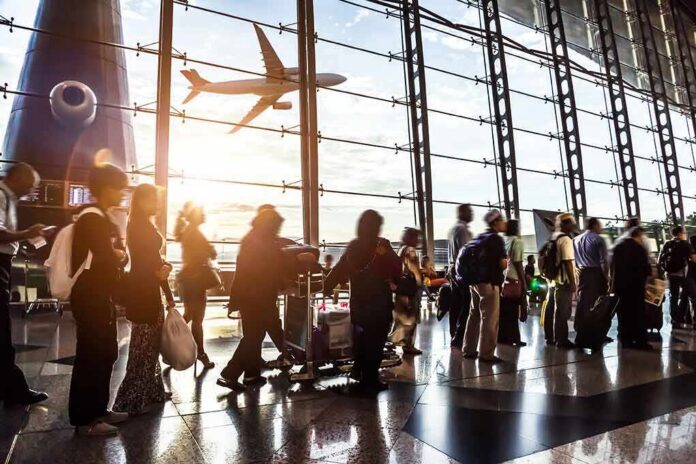
Federal agents arrested Wanying “Heather” Zhang at Los Angeles International Airport as she prepared to fly to China. Prosecutors charged her with acting as an unregistered agent of a foreign government. The charge does not require stolen secrets. It centers on whether she acted under the direction or control of a foreign power without telling the United States government. Reporters cited a sworn complaint signed by a Federal Bureau of Investigation agent and filed in federal court.
Law enforcement sources said Zhang was heading to Shanghai when agents detained her. Outlets reported that the complaint was signed shortly before the arrest and that she was taken into custody at the airport. Those details line up with a recent pattern. The Department of Justice uses the unregistered-agent statute when it believes conduct looks like operational tasking by a foreign state, not mere lobbying.
The Alleged Seattle Surveillance Mission
Prosecutors say Zhang traveled to the Seattle area in September 2025. They allege she went there at the direction of Chinese officials. Reports describe an operation that focused on a residence tied to a top Taiwanese official’s family. Accounts say she collected photos, short videos, and vehicle license plate numbers. She then sent that material to Chinese contacts. The specificity of images and plates suggests more than political chatter. It suggests hands-on surveillance.
Officials publicly tied the target to the family of Taiwan’s president, Lai Ching-te. Some outlets named his son, Lai Ting-yu, as the family member linked to the residence. That detail gives the case a clear anchor in the world of cross-strait tensions. Taiwan’s government condemned the alleged surveillance activity after news of the arrest. The identification of the family link underscored why United States officials treated the conduct as a national security matter.
What The Government Must Prove
The legal core is simple. The government must show Zhang acted subject to direction or control of a foreign principal, and that she did not register or notify as required. The complaint’s alleged tasking, the described travel, and the claimed transfer of images and license data all go to that point. Prosecutors have leaned on this statute more in recent years when conduct resembles tradecraft, even if it stops short of classified theft. A judge will weigh those facts against the statute’s knowledge and direction elements.
Media summaries also mentioned a social media post connected to the surveillance claims. That post, if authentic, could help place people, dates, or intent. It might also show public boasting or signaling. One strategic lesson stands out. People who think their actions blend into the crowd often leave a digital trail. That trail then ties moments together in a way juries can follow. The Federal Bureau of Investigation has refined this playbook with location, media, and messaging forensics.
Why This Case Hits A Nerve
This case lands at the intersection of community trust, foreign pressure, and everyday life. A realtor’s day job blends in anywhere. That is exactly why an alleged surveillance run from an American suburb matters. Home is supposed to be off-limits to foreign intimidation. American conservative values demand equal justice under law, strong borders, and clear loyalty. A charge like this says: if a foreign government directs you to watch and report on families here, you will face federal court, no special passes.
🔥🚨 BREAKING — The FBI just arrested a California realtor accused of spying for China, and they got her at LAX on the way to Shanghai
Prosecutors say 34-year-old Wei Zhang traveled to Seattle and surveilled relatives of Taiwan's president. Photos. Videos. License plates. Sent…
— MAGA REAL TIME NEWS™ (@dailyrealtime) October 5, 2026
The reported facts also highlight deterrence. Airport arrests send a message to any would-be courier who thinks the jet bridge is a safe exit. The case connects to a broader rise in actions against unregistered foreign agents and influence operations. Past decades saw very few such prosecutions. Recent years brought more cases as officials worked to close gaps exploited by hostile states. That shift reflects a common-sense priority: defend communities first, then debate the politics later.
Sources:
cnn.com, redstate.com, cbsnews.com, focustaiwan.tw, upi.com, komonews.com