

New York City moved a record $2.7 billion in cash into residents’ hands in a single year, and the scale resets the debate over what welfare should look like now.
At a Glance
- $2.7 billion in direct cash went to 864,999 New Yorkers in the last year.
- Cash assistance spending rose over 70% since 2022, reaching a new high.
- City records show cash aid outlays tracked alongside faster benefit processing.
- Nationwide pilots suggest cash can reduce hardship, but long-term exits remain unclear.
Record Outlays And A Rapid Climb
City data reviewed by multiple outlets show New York City disbursed about $2.7 billion in direct cash grants from May 2025 to May 2026. Those payments reached 864,999 people, a modern high unmatched in decades, and marked a 55.7% jump since 2022. A related review pegged 2025 cash assistance near $2.6 billion and tied the recipient count to a 30-year peak, inviting comparisons to pre-reform eras that favored open-ended aid. The question now is where this surge leads next.
Budget plans tracked the rise. A City Council finance session showed a $2.65 billion cash assistance line in fiscal year 2025, serving about 596,000 recipients through June, with midyear boosts layered in to keep pace with need. The city’s cash reports noted growth in aid through 2024 and 2025, then a slower climb into fiscal year 2026, with recipients easing slightly by early spring 2026. That pattern hints at stabilization after a steep run-up.
What The Money Is Meant To Do
Direct cash fills simple gaps that break a household: rent due the first, a conked-out fridge, a winter coat for a child. New York State also mailed inflation refund checks to more than 8.2 million residents, up to a few hundred dollars each, to offset higher prices. City leaders say biweekly aid helps people cover rent and utilities without the red tape of old systems. That speed matters when a missed payment can trigger eviction fees and a fast slide into homelessness.
National evidence backs parts of this approach. Federal housing researchers counted more than 100 local direct cash programs in recent years. Early data show reductions in food hardship and housing cost strain for low-income families that received steady cash, especially when payments were large enough to matter and delivered on time. A brief from anti-homelessness researchers found that a one-time infusion could reduce homelessness and improve housing stability while saving money downstream. These results are not magic; they reflect how predictability helps families steer out of crisis.
The Trade-Offs: Scale, Speed, And Accountability
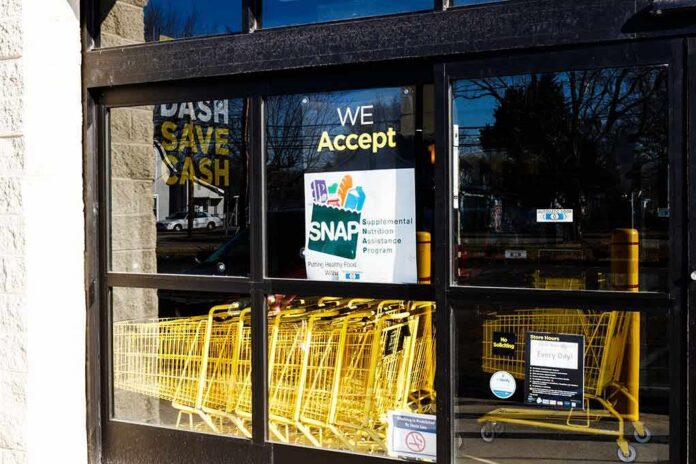
Taxpayers want guardrails and a finish line. That is reasonable. New York accelerated processing for Supplemental Nutrition Assistance Program and cash assistance, which cut wait times and likely reduced desperate choices like payday loans or late fees. Faster does not mean looser, but it does raise concerns about verification at scale. The city must prove its systems can pay quickly, catch fraud, and help people move off aid as they stabilize. That is the conservative test: compassion with measurable outcomes and fiscal spine.
With a Communist mayor running the city things will only get worse. New York State delivered nearly $6.5 billion in food assistance to low-income New Yorkers in 2024 with $650 million in SNAP support going to nearly 3 million New Yorkers each month. The welfare itself was $2.6… pic.twitter.com/53vqnDsVQ8
— Alan Tomalty (@ATomalty) July 19, 2026
Long-term exits from cash aid remain the weak link in the research. Pilot projects often run for one or two years and rely on temporary funds. Many track near-term gains in food security, rent payment, and mental stress. Fewer follow participants three to five years later to see stable work, higher earnings, and reduced need for aid. New York can close that gap by tying cash to time-bound goals, voluntary coaching, and clear metrics on employment and recidivism off the rolls.
Where The Policy Goes Next
Three steps would keep the focus on results. First, set transparent targets for job placement, school attendance for families with children, and on-time rent. Publish them quarterly. Second, protect on-ramps and off-ramps: speed help at the start, then taper support as income rises, so work always pays. Third, audit the entire cash pipeline for fraud and duplication, and report savings alongside payouts. If the city can show fewer evictions, more steady work, and a shrinking caseload, public trust will follow.
The Statue of Liberty faces the harbor, but the real signal points inward. A city of this size chose speed and cash to fight material hardship at record scale. The bill is big, but the promise is bigger: stop preventable crises before they spiral. The next chapter must prove that this much cash does more than buy time. It must buy a path to independence, and the receipts need to be public, simple, and strong.
Sources:
townhall.com, nypost.com, citymeetings.nyc, marca.com, newsweek.com, foxnews.com, comptroller.nyc.gov, cityandstateny.com, community.solutions, huduser.gov