

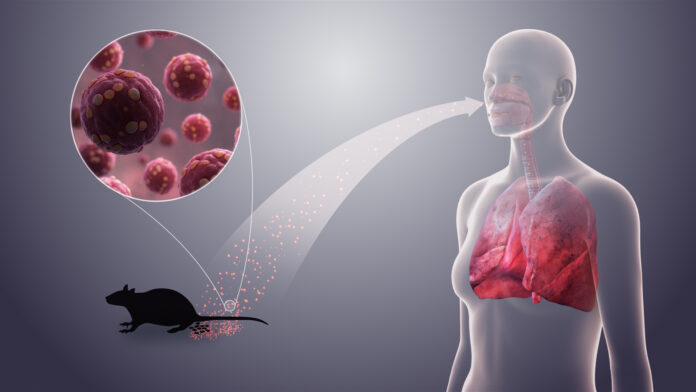
A deadly hantavirus outbreak aboard a cruise ship sailing the Atlantic Ocean has claimed three lives and left several passengers fighting for survival in hospitals across two continents. The MV Hondius, which departed from Argentina bound for Cape Verde, became a floating quarantine zone as the rare rodent-borne virus spread among passengers and crew.
Deadly Virus Spreads Across Atlantic Waters
The World Health Organization confirmed at least one laboratory-verified hantavirus case among six suspected infections. Three passengers have died from the outbreak, including a 70-year-old man and his 69-year-old wife, possibly of Dutch nationality. A 69-year-old British passenger was evacuated to a South African hospital where he remains in intensive care, fighting for his life. Additional sick passengers were transported to medical facilities in Cape Verde, positioned off West Africa’s coast, where officials prepared isolation protocols.
Rare Transmission Raises Alarm
Hantavirus typically transmits to humans through exposure to infected rodent urine or feces, according to WHO guidelines. However, health officials warned that rare person-to-person transmission remains possible, creating additional concerns aboard the confined cruise ship environment. The virus causes severe respiratory illness requiring intensive patient monitoring and support. WHO specialists have launched detailed investigations, including virus sequencing and epidemiological studies, to determine the outbreak’s origin and prevent further spread among the vessel’s passengers and crew members.
International Response Mobilizes
Medical teams are working to evacuate two additional symptomatic passengers from the ship while providing care and support to remaining travelers. The outbreak prompted coordinated responses from health authorities in South Africa, Cape Verde, and international maritime agencies. Officials continue laboratory testing and contact tracing to identify potential additional cases. The incident highlights the challenges of disease control in maritime environments where passengers share confined spaces for extended periods. Authorities maintain vigilance as sequencing results could reveal critical information about transmission patterns and prevention strategies for this uncommon but deadly pathogen.