
Workers sprinted into traffic as officers gave chase, and within days the beloved taco stand on West Tennessee Street was gone.
Story Snapshot
- Security video shows staff fleeing as officers pursue them outside a Tallahassee taqueria.
- Reports say three people were detained during the enforcement action.
- The business shut its Tennessee Street spot and told customers to go to its mall location.
- The involved agency and legal basis remain unclear from public records so far.
What happened on West Tennessee Street
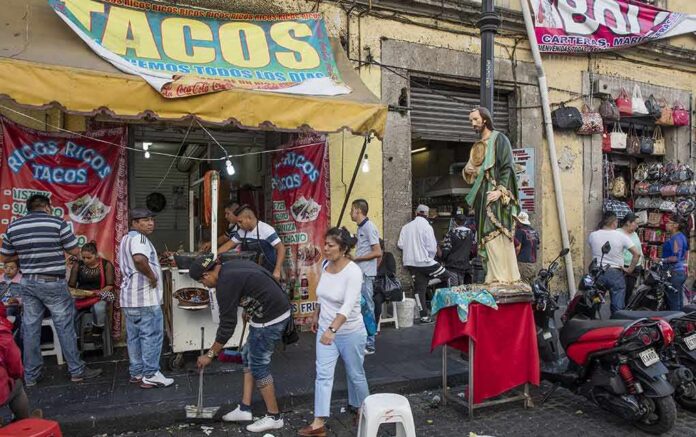
Late September brought a scene that spread fast online. A short clip shows workers bolt from a food truck while law enforcement chased them down West Tennessee Street. Local news called it a traffic stop that turned into an immigration raid. Reports said the business closed that spot after the incident and pointed customers to a mall location instead. The owners’ account and the footage lined up on one core point: fear took over and the stand’s normal day ended in chaos.
Reporters described at least three people detained. One outlet said two men and one woman were taken into custody. Another said an original fundraiser post mentioned three workers detained. Reuters reported that one person is now in a state-run immigration detention facility in Baker County, a site often nicknamed “Deportation Depot”. That is a serious step that usually follows more than a casual inquiry. It suggests officers believed they had grounds to hold at least one person pending immigration proceedings.
Who was involved, and what we do not yet know
Agency silence left key blanks. Reporters asked United States Immigration and Customs Enforcement, Florida Highway Patrol, and the Florida Department of Law Enforcement to confirm details. None gave a firm on-the-record account of who led the action or why it started. Reuters stated that the exact agency or mix of agencies remained unclear. The lawful basis also has not been shared in public documents. No warrant, arrest affidavit, or charging record has surfaced in the given reports.
The owners offered a narrow explanation. They said officers were after one employee, panic spread, and other workers ran. They also said the three detained people were finishing their immigration paperwork. That claim could mean pending asylum, a work permit filing, or another process. The sources do not provide the documents to confirm each status. Without records, the public only sees the chase and hears the claims, which invites spin from both sides.
The business fallout, fear, and a city on edge
The stand shut down the Tennessee Street spot soon after. Owners told customers to visit their mall location. Staff at the truck quit, according to the owners, citing fear and harassment. The manager told Univision the closure would be permanent because the site was too open to protect workers. Another account said protests were in the works and that fewer customers had come since the raids began. Those choices match a community trying to steady itself after a viral shock.
ICE RAID IN TALLAHASSEE: TAQUERIA SHUTS DOWN AFTER WORKERS ARE DETAINED
A popular taqueria in Tallahassee, Florida, has reportedly closed its Tennessee Street location following an immigration enforcement operation involving U.S. Immigration and Customs Enforcement (ICE).… pic.twitter.com/qlnj5a207R
— CSB News USA (@csbnewsus) September 29, 2026
Officials’ quiet creates a vacuum. In that silence, the most vivid image wins the day. The public sees workers sprinting as sirens wail and officers chase. The facts that matter most to the law—agency authority, individual records, and the basis for detention—arrive late, if at all. National coverage shows this pattern often repeats in immigration cases. Clips spread at light speed, while the paperwork that settles disputes moves at a crawl.
What common sense says should happen next
Clear, prompt disclosure serves both the rule of law and public trust. Agencies should say who acted, on what authority, and what the charges are when they detain people in a public, high-traffic area. Basic facts—names of agencies involved, the legal grounds for each stop, and where detainees are held—should not take weeks to confirm. That transparency protects officers doing hard jobs and gives the public proof, not rumor. Reuters’ note on the Baker County detention shows that kind of clarity is possible when officials confirm placements.
Owners and advocates should welcome the same sunlight. If workers had valid status or pending claims that shielded them, those records help their case. If paperwork was incomplete, the community can rally around legal help rather than only outrage. Protests have their place, but documentation turns emotion into outcomes. In the meantime, one simple lesson stands: in a charged climate, panic can wreck a small business overnight, while timely facts can keep order before fear fills the gap.
Sources:
facebook.com, tallahassee.com, wtxl.com, wctv.tv, rmb.reuters.com