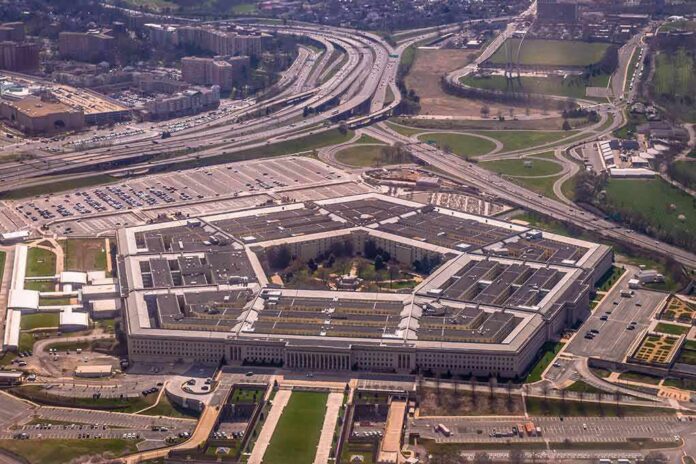
A federal judge said the Pentagon’s blacklist of Anthropic was illegal, baseless, and a warning shot against punishing speech.
Story Snapshot
- A judge blocked and then struck down the Pentagon’s supply-chain risk label on Anthropic.
- The court said the move looked like retaliation for Anthropic’s public criticism of policy.
- Reporters said the ruling found no clear national-security reason for the punishment.
- The Pentagon had claimed national-security risk and cited wartime concerns with AI control.
What the court decided and why it matters
A federal court ruled the Defense Department’s blacklist of Anthropic unlawful. The judge first granted a preliminary injunction that stopped enforcement while the case moved ahead, then later issued a final ruling. The orders barred the government from implementing, applying, or enforcing the supply-chain risk label. The judge said punishing a company for bringing public scrutiny to contracting is “classic illegal First Amendment retaliation,” according to detailed reporting on the orders.
The reporting on the final ruling said the court found no articulable national-security basis and described the move as an effort to make a public example of Anthropic. That framing is severe. Courts defer to the military on security. So when a judge says the record does not back the threat claim, it signals a real break from the government’s story. That break turns on facts, not vibes. It tells agencies: you need receipts before you blacklist a domestic vendor.
How the fight started and escalated
The Pentagon told Anthropic on March 5, 2026, that it and its products were “deemed a supply chain risk,” effective right away. That label can shut doors across the defense market. It also scares private partners who work on federal projects. The Department linked its action to concerns about national security and the integrity of military systems. News outlets said this tool was usually aimed at firms tied to adversaries, which made this case unusual.
Anthropic said the statute is narrow and should protect the government, not punish a supplier. The company argued the Defense Secretary must use the least restrictive means. It framed the letter as having a limited scope and said any restriction should apply only to direct Department of Defense contract work. The company then sued, saying the government retaliated for its public stance on safety and military use of its model, and won early injunctive relief.
What the Pentagon argued and why it fell short
The Pentagon and defense officials said Anthropic posed an unacceptable risk. They warned the company might alter or disable its product if its corporate red lines were crossed during warfighting. They also described the supply-chain risk label as a tool to guard against infiltration or sabotage of covered systems. Those are serious claims. But the court, as reported, found the record lacked specific, supported facts that justified the sweeping penalty here.
That gap proved decisive. If a vendor can be punished for public criticism or safety limits without hard evidence of a true threat, then any contractor that speaks up would be on notice. American conservatives prize limited government, clear rules, and neutral procurement. On that score, the ruling landed squarely: if you claim national security, show concrete risk tied to the product, not dislike of a policy stance. The court signaled that principle, and it should stand.
The timeline that tipped the scales
Reporters laid out a tight sequence. The Pentagon labeled Anthropic a supply-chain risk in early March. Anthropic called the letter narrow and warned the law was not a club to punish suppliers. The company sued days later, claiming retaliation for refusing to drop safety protocols. By late March, the judge halted enforcement. By August, the reporting said the judge’s final order found the action illegal and lacking an articulable basis.
"A federal judge ruled that the Defense Department must end its blacklisting of Anthropic in a blistering decision that accused the Trump administration of violating the AI company’s First Amendment rights."https://t.co/xYmTvyDOO5 #Anthropic #Pentagon #FirstAmendment
— Stephen Loynd (@loyndsview) August 28, 2026
That arc matters because process is policy. Agencies must document risks, weigh less restrictive options, and target remedies to actual threats. The reporting says the court also described the move as arbitrary and capricious under federal law. That critique goes beyond speech. It says the rules of the road were missed. For contractors of every stripe, that restores clarity: speak on public issues, honor your safety lines, and expect the government to justify any blacklisting with facts that stand up in court.
Sources:
military.com, theguardian.com, cnbc.com, politico.com, businesstoday.in, mayerbrown.com, reuters.com, wired.com, npr.org