

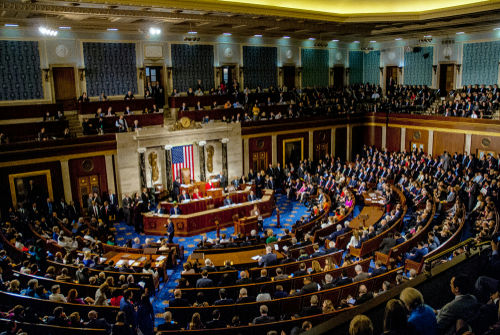
Democrats aim to flip Virginia’s congressional seats from a slim 6-5 edge to a crushing 10-1 lock through a ballot measure that guts voter-approved fair maps, sparking a fierce last-minute battle.
Virginia Voters Face Gerrymandering Showdown
Virginia voters head to polls Tuesday to decide a special election on temporarily suspending their bipartisan redistricting commission. Democrats pushed this constitutional amendment after passing a new map in February 2026. The map favors them in 10 of 11 districts, up from current 6-5 advantage. Former Gov. Glenn Youngkin rallied supporters Sunday in Virginia Beach with ex-AG Jason Miyares, calling the plan an unconstitutional power grab. Early voting wrapped April 18, heightening urgency as polls open tomorrow.
Youngkin’s Aggressive Campaign Against Democratic Overreach
Glenn Youngkin dominated airwaves Monday, hitting Fox News and radio to label the maps “illegal” and a betrayal of voter will. He accused Gov. Abigail Spanberger of a bait-and-switch after cities and counties resisted. At the rally, Youngkin warned the redraw injects Northern Virginia voters statewide, diluting rural voices in places like the Shenandoah Valley and Powhatan. House Minority Leader Terry Kilgore echoed this, noting districts defy compactness rules. Youngkin’s star power mobilizes “no” votes against what facts show as raw partisan engineering.
Radio spots questioned reviving gerrymandering despite the 2020 constitutional amendment voters approved to ban it. This amendment created the independent commission, replacing court or legislature control scarred by past lawsuits. Democrats’ move revives those fights, positioning their temporary grab as payback to Republican states. Common sense aligns with Youngkin’s view: voters rejected this once; facts support preserving the 6-5 balance reflecting Virginia’s true split.
Stakeholders Clash Over Power and Fairness
Republicans like Youngkin, Miyares, and Kilgore lead the “no” charge to protect the status quo and bipartisan process. Virginia Democrats, backed by Rep. Spanberger, propose the redraw for midterm gains, arguing it counters GOP gerrymanders elsewhere. Spanberger frames it as temporary fairness, but opponents see through the spin—facts confirm the 10-1 tilt unmatched by Virginia’s demographics. Voters hold final say, with Republicans banking on Youngkin’s popularity to sway them.
Power tilts Democratic now, holding the slim edge but needing ballot approval to override the commission. This dynamic echoes national battles in Texas, Missouri, and North Carolina, where partisanship rules maps. Virginia’s history of court fixes birthed the commission; undermining it risks endless lawsuits and eroded trust. Conservative principles demand compact, community-based districts—Democrats’ maps fail this test spectacularly.
Virginians don’t like being lied to. We don’t like gerrymandering. And we certainly don’t like partisan power grabs that silence the voices of millions.
Virginia, join me in voting NO on the Spanberger gerrymander by April 21. pic.twitter.com/P6dxguh093
— Glenn Youngkin (@GlennYoungkin) April 12, 2026
High Stakes Reshape Congress and Trust
A “yes” vote locks in 10-1 Democratic maps for 2026, 2028, and 2030 elections, flipping House power dramatically. “No” keeps 6-5 balance, honoring voter intent. Rural southern communities lose local voice to Northern Virginia sprawl, hitting areas like Virginia Beach hardest. Politically, it boosts Democrat federal leverage; socially, it fuels cynicism about rigged games. Long-term, success guts the commission, inviting nationwide copycats and endless fights.
Sources:
Fox News Video on Youngkin’s Warning
WTVR on Virginia Temporary Redistricting
Audacy WRVA Exclusive with Glenn Youngkin
Washington Times on Youngkin Urging Rejection