
A blue-collar city is now arguing over prayer, parking, and the rules that keep neighbors civil.
Story Snapshot
- Residents say Friday prayers and Muslim holidays jam streets and driveways.
- City leaders and police say complaints lack detail and most parking is legal.
- Warren’s noise rules focus on late night hours, not daytime services.
- Prior mosque disputes centered on loudspeakers, traffic, and safety.
What Warren Neighbors Say Is Changing On Their Block
Longtime residents in Warren, Michigan describe a steady crush of cars during Friday prayers and on major Muslim holidays. They point to blocked driveways, cars on lawns, and side streets turned into chokepoints. Some say they feel pushed out of their own neighborhood and ignored when they call for help. These voices come through in recent on-camera interviews and quotes from locals who want quick fixes they can see on their street, not promises from a distant office.
Frustration rises fastest when everyday routines break. Moms trying to get kids to practice. Workers racing to the night shift. Seniors who need a clear driveway for a medical visit. When the curbside turns into a queue, tempers flare. Residents say city hall nods but shrugs, and that the police show up after the jam clears. They argue the problem repeats on a weekly cycle, so the solution cannot be a one-off patrol car loop.
What City Hall And Police Say They See On The Ground
Mayor Lori Stone’s office says it takes every complaint seriously, but the recent claims were too general to verify. The Warren Police Department states it treats parking and noise issues the same everywhere. Officers last responded to the area in March and reported that, while traffic was heavy, vehicles they observed were legally parked. The department adds that most noise reports tied to these gatherings happened in the daytime, outside the city’s stricter quiet hours.
Warren’s public rules set a clear line. The city bans excessive noise in residential areas and on public streets between 10 p.m. and 8 a.m. That is the enforcement window neighbors often assume will cover every loud sound, but it does not apply to most daytime worship or traffic flow. Separate code language targets loud amplified vehicle music by distance, which again is different from congregational speech or typical parking movement during the day.
The Pattern: Faith, Land Use, And The Same Three Fights
Local fights over mosques often get framed as traffic, parking, and noise. That pattern is not unique to Michigan. Research and case reporting across cities show these three concerns appear again and again because they fit planning rules and do not require anyone to argue about religion itself. The Warren record reflects that trend. Earlier disputes flagged external loudspeakers, parking, and traffic at public meetings, which kept the argument inside land-use lines.
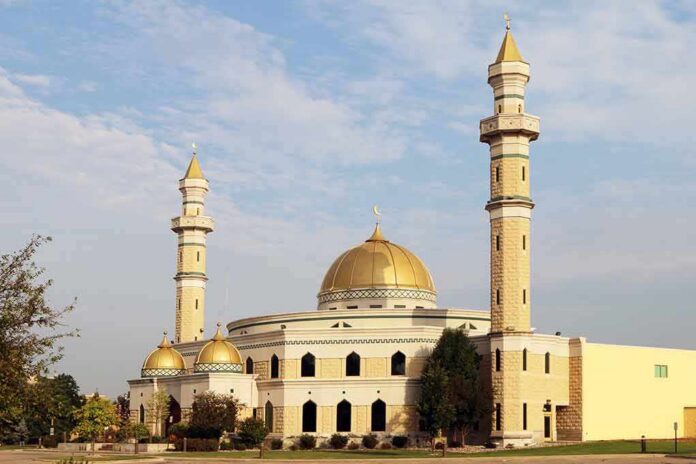
The city’s zoning path also shows how concerns surface. A 2025 report states the zoning board denied a request for two thirty-five-foot minarets after neighbors raised parking and safety issues. Height and design can become stand-ins for bigger worries about activity and crowds. Boards then weigh sight lines, car counts, and ingress and egress, since those are measurable and enforceable under code, even when the emotion in the room points to culture and change.
What Common Sense Demands Now
The city owes residents clear, prompt enforcement when laws are broken. That means ticketing cars that block driveways and towing repeat offenders. The city also owes worshipers equal treatment under the law, not special breaks or special burdens. Daytime noise that stays within the code is legal. Late-night noise that crosses the line is not. Publish a simple, one-page plan that sets event schedules, overflow parking sites, traffic officers at peak times, and a hotline that logs every call with a case number.
Conservative values point to order, fairness, and local control. Order means you can back out of your driveway without a standoff. Fairness means the same rules apply to every church, mosque, hall, or lodge. Local control means neighbors shape fixes they can live with. Weekly coordination between mosque leaders, residents, and the police watch commander would calm tempers. Post the plan, measure results, and adjust. If the city delivers that, the street will tell the truth within a month.
Sources:
facebook.com, foxnews.com, cair.com, ispu.org, clickondetroit.com