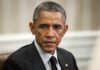

A Michigan Senate candidate once said he follows a religious code “in everything” until the day he dies, and now that quote is fueling one of the ugliest fights of the 2026 campaign.
Quick Take
- A resurfaced 2009 New York Times interview quotes Abdul El-Sayed saying he felt obligated to follow Sharia-compliant practices, including choosing a Sharia-compliant mortgage.
- In 2022, El-Sayed told a Council on American-Islamic Relations audience that opposition to Sharia bans echoes historic injustices like the Trail of Tears.
- Fact-checkers say El-Sayed never called for Sharia law to replace American law, and clips of his remarks are being cut short of their full context.
- Republican senators, including Tommy Tuberville, have called El-Sayed a “radical Islamist” and a “terrorist,” language critics say crosses into Islamophobia.
What The 2009 Interview Actually Said
The quote at the center of this fight comes from a 2009 New York Times interview, unearthed years later and reported by Fox News. El-Sayed, then in medical school, explained why he chose a Sharia-compliant mortgage instead of a conventional one. He said it wasn’t about taking “the easy way” but doing things “the Shariah-compliant way,” calling it an obligation he’d answer for “when I die and I stand before God”.
That is a striking sentence for a Senate candidate to have on the record. It reads as a statement of deep personal faith, not a campaign promise. But critics argue that faith this total, applied “in everything,” raises fair questions about how it might shape decisions in public office. Supporters counter that plenty of religious Americans hold personal codes without seeking to write them into law.
The 2022 CAIR Speech That Reignited The Firestorm
The controversy escalated over remarks El-Sayed gave in 2022 to the Oklahoma chapter of the Council on American-Islamic Relations. He discussed Oklahoma’s 2010 ballot measure banning Sharia law in state courts, and argued that opposition to Islamic law “cannot be understood apart from” episodes like the Trail of Tears. He also linked the forces behind Sharia bans to those behind the Tulsa massacre and the Oklahoma City bombing.
Conservative outlets treated this as El-Sayed defending, even promoting, Sharia governance in America. Fact-checker PolitiFact disputes that framing directly, stating plainly that El-Sayed “did not call for Shariah to be implemented in the U.S.” and that circulating clips “cherry-pick a small portion” of a longer speech about discrimination.
Why The Distinction Matters, And Why It’s Getting Lost
Sharia is not a recognized legal system in the United States. The Constitution and federal and state statutes are supreme, and no religious code can override them, a point PolitiFact’s own explainer makes clear. That legal reality doesn’t erase the political question voters are wrestling with: does a candidate’s stated total devotion to a religious code, paired with defenses of Islamic law in public forums, tell us something relevant about his judgment in office? Reasonable people can weigh that differently.
Michigan Dem Senate Candidate Advocates for Sharia Law in U.S. https://t.co/dgCuxNM2Cf
A shocking resurfaced video shows Michigan Democrat Senate candidate Abdul El-Sayed openly advocating for Sharia law in the United States – just the latest…— drwildasays (@HeardWilda) August 11, 2026
What’s not reasonable is the leap some Republicans have made. Senator Tommy Tuberville called El-Sayed a “RADICAL ISLAMIST” and a “TERRORIST,” language CNN notes has no evidentiary basis and instead insinuates El-Sayed is “less American”. That kind of rhetoric doesn’t strengthen the legitimate concern; it hands El-Sayed’s campaign an easy rebuttal and lets him reframe the entire debate as an attack on his faith rather than a discussion of his record.
A Pattern Voters Have Seen Before
This is not the first time a candidate’s private religious observance has been recast as a governing threat, nor the first time critics have been accused of stripping quotes of context. The pattern repeats because most Americans don’t know what Sharia means in practice, and because short video clips travel faster than full transcripts. That gap is exactly where distortion, on both sides, thrives.
El-Sayed has responded by pivoting to his platform, citing Medicare for All, infrastructure spending, and reducing money in politics as his actual priorities, while accusing opponents of pronouncing his name as a slur. Voters deserve the full 2009 interview and the complete 2022 speech before drawing final conclusions, but the available record shows a real tension worth watching, not manufactured outrage.
Sources:
thegatewaypundit.com, jfeed.com, politifact.com, facebook.com, amac.us, instagram.com