Europe just gave Washington real leverage at sea by wiring sanctions to Iran’s behavior in the Strait of Hormuz—tightening the vise where it hurts most.
At a Glance
- The European Union expanded its Iran framework to target threats to navigation in Hormuz.
- U.S. sanctions now hit oil, shipping, finance, and “shadow fleet” networks.
- Iran’s leaders denounce the campaign and warn countries not to comply.
- South Korea’s possible role in Hormuz would widen pressure and deterrence.
Europe Links Sanctions To Freedom Of Navigation
The Council of the European Union amended its Iran sanctions framework on May 22, 2026. The update allows targeting people and entities tied to actions that threaten freedom of navigation, especially in the Strait of Hormuz. This is a notable shift. It ties penalties to clear, observable conduct at sea. That link reduces gray areas and gives shippers and insurers a rule of the road. It also signals Europe’s patience with tanker harassment is over, aligning rhetoric with enforcement.
The European Union move builds on earlier steps. The bloc re-imposed nuclear-related measures after the United Nations snapback process in 2025, restoring a broader baseline of restrictions. Member states also advanced new listings over human rights abuses this year, keeping a parallel track of pressure on internal repression. Together, these actions tighten Iran’s room to maneuver. They add legal teeth inside Europe’s markets and ports, where enforcement matters most for global shipping and finance.
Washington Expands The Financial Dragnet
The United States has widened Iran sanctions to choke off oil sales, weapons procurement, and maritime logistics. Treasury actions hit over 30 people and vessels involved in brokering and carrying Iranian petroleum products, including elements of the “shadow fleet” that helps hide origin and ownership. Other rounds targeted facilitators for Iran’s armed forces and missile programs, aiming to block access to hard currency and sensitive components. The scope now spans digital assets, technology, gold, aviation, and shipping.
These actions make evasion more costly. They raise insurance risks, stress middlemen, and complicate payments. They also give Washington leverage to threaten secondary penalties on foreign firms that ignore the rules. The Justice Department and the Department of the Treasury have learned from a decade of cat-and-mouse with front companies and reflagged ships. The result is a faster cycle of designations and a clearer message to banks and brokers that look the other way.
Hormuz: The Chokepoint That Sets The Price
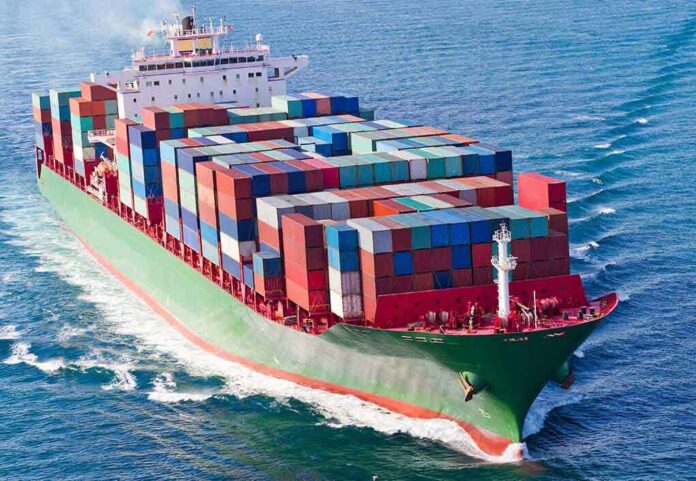
The Strait of Hormuz is Iran’s favorite lever and its biggest vulnerability. When tankers face drone swarms or boarding attempts, insurance spikes and crews get spooked. When safe passage holds, oil flows and tempers cool. The European Union’s new focus on threats to navigation squarely targets the behavior that rattles markets and invites a military response. It also syncs with U.S. efforts to expose and block “shadow fleet” shipments that game tracking systems and endanger sailors.
South Korea is weighing military support to secure transit in Hormuz, according to regional reporting. Even a limited contribution—escorts, surveillance assets, or logistics—would matter. It adds allied flags to the water and lifts strain on U.S. and European navies. It also sends a practical message to shipowners and insurers: more partners will help keep the sea-lanes open. That reduces Iran’s leverage to spike rates or force detours that sap its customers’ patience.
Tehran Pushes Back, But The Math Is Getting Worse
Iran’s Foreign Ministry urges countries not to implement U.S. sanctions, calling them unlawful and a “crime against humanity,” and warning that pressure will not work. This is a familiar refrain. It aims to shame partners and peel off fence-sitters. The facts on the ground tell a harder story. Iran’s currency has hit repeated lows against the dollar this year as trade and oil exports face tighter constraints, and maritime risks deter traffic. The street-level pain is real.
US Treasury Secretary Scott Bessent claimed on Friday that the EU had joined the sanctions push against Iran; however, the bloc merely welcomed the move without formally committing to the sanctions, according to Euronews. https://t.co/WG4BYm94xS
— Ali Karimi-Langroodi (@AliLangroodi) September 5, 2026
Conservative common sense says rules should fit behavior and protect the innocent. A sanctions focus on actual threats to navigation does both. It punishes those who menace civilian shipping and crew, while narrowing collateral harm. The stronger the allied front—Europe’s legal tools, America’s financial reach, and Asian partners adding muscle at sea—the weaker Iran’s ability to turn a narrow waterway into a global hostage situation. Tehran can bluster. Freight rates and currency screens do not lie.
The Strategic Bet: Squeeze The Lever, Not Just The Economy
Sanctions history shows economic pain does not always change a regime’s core goals. Policymakers claim wins, while targets adapt. The new European Union approach tries to change that pattern by linking penalties to a specific, high-stakes behavior: threatening freedom of navigation. If allies back that up with visible maritime security, Iran’s favorite pressure tactic loses punch. That will not solve everything in one stroke. It will, however, protect global commerce and deny easy blackmail at sea.
Sources:
reuters.com, data.consilium.europa.eu, westpandi.com, cnbc.com, theguardian.com