

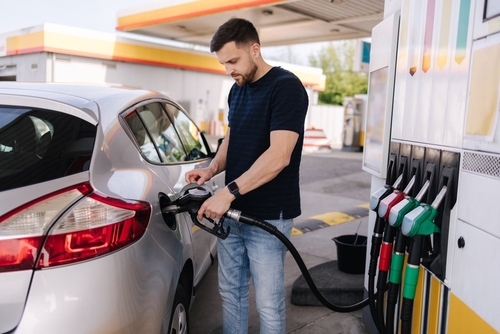
As America marks 250 years of independence, many drivers are celebrating with something they never voted for: higher gas taxes quietly kicking in at the pump.
Story Snapshot
- Multiple states raised gasoline taxes and fees for 2026, adding new costs every time drivers fill up.
- Many of these hikes are “automatic” increases tied to formulas or inflation, not fresh votes by lawmakers.
- State officials say the money helps fix roads and bridges, but everyday drivers mostly just see higher prices.
- The pattern feeds a deeper belief on both left and right that the system is rigged and not listening to regular people.
States Quietly Raise Gas Taxes As Americans Mark 250 Years
Across the country, state governments are raising gasoline taxes in 2026, often with very little public debate or media attention.[1][4] The Energy Information Administration reported that between January 1, 2025, and January 1, 2026, twenty-six states changed their gasoline taxes, with nineteen states raising them and seven states lowering them.[4] State gasoline taxes now average about 33.5 cents per gallon nationwide, on top of the federal gasoline tax of 18.4 cents per gallon that has not changed since 1993.[4][6]
NerdWallet found that gas taxes increased on January 1 in Florida, Georgia, Massachusetts, Minnesota, Nebraska, New Jersey, and Utah, with per-gallon increases ranging from less than one cent to 3.3 cents.[1] These may sound like small changes, but they hit every gallon that families and small businesses buy, month after month.[1] State tax and fee totals in these places now range from about 27.4 cents per gallon in Massachusetts to roughly 45 cents in New Jersey.[1] For many drivers already squeezed by prices, each new penny feels like proof that leaders are out of touch.
How The Increases Work — And Why You Rarely Hear About Them
Many states no longer vote on each gas-tax hike; instead, they use “variable rate” systems that rise automatically with inflation or other formulas.[7] The National Conference of State Legislatures reports that twenty-six states and Washington, D.C., now have some kind of variable-rate gas tax that adjusts over time.[7] Illinois is a clear example: its Department of Revenue bulletin for fiscal year 2026–2027 sets the motor fuel tax at 49.6 cents per gallon and explains that the rate is tied to annual inflation changes, not a fresh standalone vote.[3]
Other states blend sales taxes and special transportation levies in ways most drivers never see on a receipt.[1][5] Florida, for example, charges a state sales tax on gasoline, a separate State Comprehensive Enhanced Transportation System Tax, an excise tax, and environmental fees that together add up to 39.4 cents per gallon in state-level costs.[1] A State Motor Fuel Tax Rates report shows that some states also stack general sales taxes on top of their gasoline excise tax, deepening the total burden.[5] The result is a complex system where small “automatic” changes can quietly pull more money from drivers every year.
Do Higher Gas Taxes Really Fix Roads, Or Just Feed The Machine?
Supporters of these taxes argue that they are needed to keep roads and bridges safe and to fund long-delayed repairs.[2][4] USAFacts reports that the average state gas tax climbed from 27 cents per gallon in 2015 to about 33 cents in 2026, giving states more transportation revenue as construction costs rose.[2] Policy groups note that while states have moved their rates up, the federal gas tax has been stuck at 18.4 cents since 1993, so its buying power has dropped as inflation and better fuel efficiency cut into revenue.[4][6] From this view, state hikes are filling a gap Washington left open.
Yet the public rarely sees a clear line between each penny at the pump and a specific road getting fixed.[2] The sources here show that states raise rates and say the money supports transportation, but they do not detail which projects each 2026 increase pays for or how much these hikes truly close funding gaps.[2][3][4] That lack of transparency feeds a shared suspicion on both the right and the left that “infrastructure” has become a catch-all excuse to take more from working families while politically connected contractors and agencies stay well funded.[4] When drivers dodge to cheaper gas across a state line, as many Chicago-area drivers now do, it feels less like shared sacrifice and more like a punishment for living in the wrong zip code.[5]
Automatic Hikes, Deep Distrust, And The Bigger Fight Over Who Government Serves
Energy Information Administration data show that most 2026 gas-tax changes were modest, with only a few states raising rates by more than five cents per gallon.[4] But the pain for ordinary people is cumulative.[2] USAFacts notes that the average state gas-tax level is now meaningfully higher than a decade ago.[2] At the same time, more than half the states use some form of automatic or variable-rate system that allows future increases to happen without a high-profile public debate.[3][7] For many Americans, that feels like taxation on autopilot, run by formulas and bureaucrats rather than accountable leaders.
Past debates over “gas tax holidays” show that even establishment experts admit gas taxes are heavy enough that cutting them can offer real relief.[6][9] The Penn Wharton Budget Model has examined proposals to pause state and federal motor fuel taxes as a way to help households facing high prices at the pump.[6] Reports on earlier state holidays describe them as responses to price spikes and political pressure, not long-term fixes.[9] That pattern sums up the deeper frustration: when the pressure gets intense, leaders talk about short-term relief, but the default setting is still higher, more complex, and less transparent taxes that land hardest on people who must drive to work every single day.
Sources:
[1] Web – Happy America 250! These States Celebrate With Higher Gas Taxes
[2] Web – State Gas Taxes: What They Are And How Much You Pay – NerdWallet
[3] Web – How much do you pay in gas taxes? – USAFacts
[4] Web – FY 2026-23, Change in the Motor Fuel Tax Rate, Effective July 1 …
[5] Web – Most States Have Raised Gas Taxes in Recent Years – ITEP.org
[6] Web – Many states slightly increased their taxes and fees on gasoline … – …
[7] Web – Federal Gas Tax Holiday: June 1, 2026 – Penn Wharton Budget Model
[9] YouTube – Your State Just Raised Gas Taxes | See the New Pump Prices