

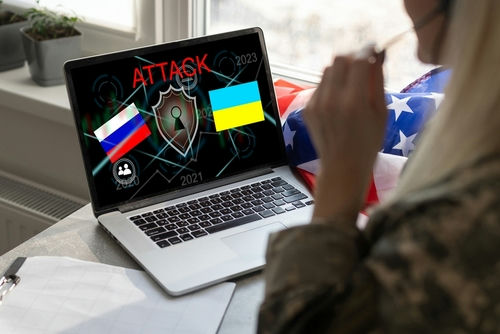
Russian soldiers are reportedly handing Ukraine battlefield clues through fake dating profiles, and the story shows how old-school deception still works in modern war.
Quick Take
- Media reports say Ukrainian fighters used fake women online to pull location data from Russian soldiers.
- One report says the tactic helped guide drone strikes and other attacks on Russian positions.
- Another report claims a Ukrainian woman contacted 70 Russian soldiers through Tinder and passed along their locations.
- The evidence in open sources is still thin, with most claims coming from secondary reporting.
How the Catfish Claim Spread
A Mediaite report, citing The Atlantic, says Ukrainian resistance fighters used catfishing tactics to lure Russian soldiers into sharing strategic details. The report says one Ukrainian operator posed as a lonely woman online and drew out a Chechen commander who later sent a photo that exposed his position. That location was then struck by a Ukrainian drone, according to the account [1].
BFBS Forces News aired a similar claim in a video about “honey-trapping” Russian soldiers. The report said one Ukrainian woman created several Tinder profiles and reached 70 Russian soldiers, who then revealed their locations during chats. It also said Ukrainian hackers used Telegram profiles to get off-duty photos that helped locate a base near Melitopol before a targeted strike [3].
Why This Fits a Larger War Pattern
The broader point is not hard to miss. War is not only fought with missiles, drones, and artillery. It is also fought with deception, social engineering, and human weakness. The Irregular Warfare Center says cyber and social-media tricks are now common tools on the battlefield, because they can extract useful information without breaking into a network [3].
That fits a long pattern in espionage. Modern cyber-espionage sources say social engineering remains one of the most common ways to gain access to sensitive information. They describe methods such as baiting, phishing, and insider manipulation as standard parts of cyber operations. In plain terms, the target often gives up the secret without ever realizing it [8][13].
What Is Known and What Is Not
Open-source reporting does not fully prove every part of the story. The strongest claims come from media accounts and military-adjacent commentary, not from declassified records, court files, or public Ukrainian intelligence logs. That leaves the exact number of soldiers contacted, the dates of the operations, and the results of any strikes open to doubt. The open evidence supports the possibility, not full verification [1][3][5].
Russian officials and allied commentators have also pushed a counter-story, calling some such incidents criminal scamming rather than military intelligence work. At the same time, the reports do show one clear fact: both sides in this war have embraced digital deception. That matters because it exposes how fragile military discipline can become when troops use unsecured phones, social apps, and casual chats near the front [3][7].
What the Reports Mean for the War
If the claims are accurate, they show a cheap tactic producing real battlefield value. A fake profile costs little, but one careless message can reveal a unit’s location, routine, or equipment. That is a reminder that modern warfare punishes sloppy communications and rewards patience. It also shows why soldiers who think every app is harmless can become the easiest targets on the battlefield [1][3].
The story also raises a bigger issue for Americans watching from home. Conflict today blurs the line between combat, cyber operations, and psychological tricks. When social platforms become tools for military intelligence, governments and companies gain even more power over speech, privacy, and user activity. That should concern anyone who values limited government, personal freedom, and clear limits on surveillance and digital control [3][8].
Sources:
[1] Web – Russian Soldiers Are Revealing Their Locations To Ukrainian Fighters …
[3] Web – Ukrainian fighters are deploying CIA catfishing tactics to lure …
[5] Web – Reports And Footage Claiming That Ukrainian Soldiers Were …
[7] Web – The Growing Use of Scamming Techniques and Social Media on the …
[8] Web – A report has claimed that Russian soldiers on the frontlines of the …
[13] Web – The Kherson Ruse: Ukraine and the Art of Military Deception