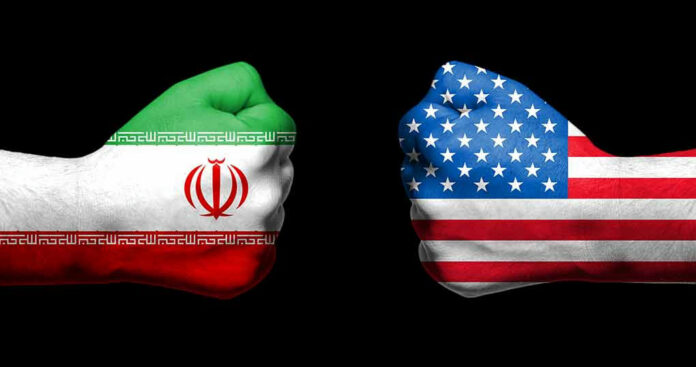
A World Cup match can turn into a national-security stress test the moment a credible adversary decides the cameras matter more than the body count.
The World Cup as a Terrorism Multiplier, Not a Soccer Tournament
Jonathan Gilliam’s warning lands because the 2026 World Cup is not one event; it’s weeks of synchronized targets—stadiums, fan zones, transit hubs, hotels, airports, and broadcast crews—spread across U.S. cities. That geography forces security planners to defend broadly while an attacker needs only one seam. High attendance and constant media coverage create the real prize: psychological shock, political pressure, and global headlines that outlive any single attack.
Gilliam’s most provocative recommendation—an overt demonstration of force to frighten Iran into restraint—sounds theatrical until you recognize the theory behind it. Deterrence works when the other side believes three things: you can hit back, you will hit back, and you won’t hesitate. His suggestion of a dramatic strike demonstration, like a MOAB in a remote location, aims to compress those three beliefs into one unforgettable signal.
What “Sleeper Cell” Really Means in 2026 America
Americans hear “sleeper cell” and picture operatives living double lives for years, waiting for a coded phone call. Experts quoted elsewhere challenge that image as dated, expensive, and hard to pull off under modern surveillance. Iran’s playbook often looks messier but more practical: leveraging diaspora pressure, criminal intermediaries, cutouts, and opportunistic recruits. That model scales because it doesn’t require perfect spies—just enough people to move money, gear, or intent.
The 2022 plot targeting Iranian-American activist Masih Alinejad underscored that point by featuring criminal connections rather than cinematic tradecraft. That kind of case doesn’t prove a World Cup plot exists, but it does show how Tehran-linked operations can reach into U.S. neighborhoods using deniable networks. For planners, the lesson is blunt: the threat may not wear a uniform, carry an Iranian passport, or even know they’re part of a larger chain.
Trump’s “We Know Where Most of Them Are” Claim Meets a Hard Reality
Trump’s earlier comments about being briefed and tracking suspected cells project confidence, and confidence has value if it prevents panic. The common-sense problem: “most” is not the same as “all,” and mass events don’t require many actors. One disciplined team—or one unstable loner inspired by propaganda—can create a crisis that overwhelms local police, poisons public trust, and forces federal agencies to explain what they missed. That accountability pressure is what adversaries count on.
The political fight over border control also complicates the public conversation. Conservatives rightly demand secure borders because a sovereign nation cannot outsource its security. At the same time, the World Cup threat space extends beyond border crossings: legal travel, online radicalization, transnational crime, and insider access at venues. Serious preparation treats border security as necessary, not sufficient—because a single exploited employee badge can matter more than a thousand miles of desert.
The DHS Shutdown Angle: When Bureaucracy Becomes Vulnerability
Warnings tied to a Department of Homeland Security funding disruption hit a nerve because major events require rhythm—screening, staffing, intelligence sharing, and drills that build muscle memory. Security failures rarely come from one giant mistake; they come from small frictions that pile up: delayed pay, frozen hiring, postponed training, and reduced coordination. Congress can debate spending levels, but basic continuity for frontline screening and threat analysis shouldn’t become a bargaining chip.
Chairman Michael McCaul’s “red alert” framing fits a broader pattern: adversaries probe when America looks distracted. A World Cup summer overlaps with other high-visibility gatherings and tourism surges, expanding the menu of soft targets beyond stadium walls. That matters because sophisticated groups often prefer the cheaper win—hitting the perimeter, transit, or crowds outside security checkpoints—where they can still claim a World Cup “success” without breaching the venue.
Deterrence Versus Overreaction: The Conservative Balancing Test
Gilliam’s deterrence-first instinct aligns with a conservative view of human nature: bad actors respect strength, not slogans. The risk is that public talk of spectacular strikes can also hand Iran propaganda, inflate copycat incentives, and box U.S. leaders into escalations that don’t improve actual security. The smarter version of “stark warning” pairs private clarity with visible readiness: arrests when warranted, hardening critical nodes, and relentless counterintelligence that quietly convinces enemies the game is rigged.
The most defensible takeaway is neither panic nor complacency. Iran has motive to retaliate when tensions spike, but capability often flows through proxies and criminal pathways rather than legendary sleeper networks. That distinction should drive preparation: protect transportation arteries, vet vendor access, monitor suspicious financing, and treat online chatter as a lead, not proof. The World Cup doesn’t need to become a siege; it needs layered security that denies easy wins.
Iranian sleeper cells pose World Cup threat, former FBI agent warns, urges Trump to send stark warning https://t.co/gKUIe1BSKF
— Hot Talk 99.5 WRNN (@995WRNN) May 14, 2026
Americans will judge the 2026 World Cup by goals and glory, but federal and local agencies will be judged by something harsher: whether the most watched party on U.S. soil became an invitation. The open loop is the one adversaries exploit—uncertainty about what the U.S. will do after an attack. Close that loop with credible consequences and competent preparation, and the cameras can stay on the field.
Sources:
Sleeper cells, lone wolf threat: Iran, US attack, defense experts
Experts Warn Iranian Sleeper Cells in U.S. Pose Very Serious Threat