
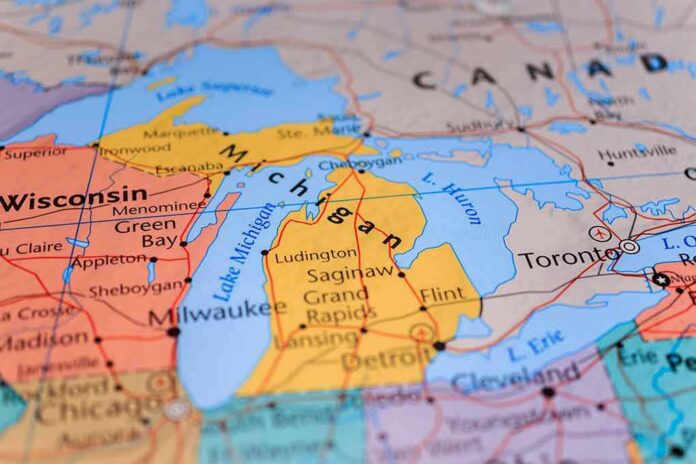
President Trump said the United States is weighing a plan to rename Lake Ontario “Lake America,” turning a trade fight with Canada into a headline about identity and leverage.
Story Snapshot
- Trump floated renaming Lake Ontario to “Lake America” during a tariff standoff with Canada.
- The move aims to signal strength and keep pressure on Ottawa during a tense stretch of talks.
- Canada prepared counter-tariffs after negotiations broke down late last week.
- Any federal naming change normally travels through the U.S. Board on Geographic Names.
Trump’s Renaming Threat Lands Amid Tariff Crossfire
President Trump posted that the United States is “giving serious consideration” to changing Lake Ontario’s name to “Lake America,” tying it to souring trade ties with Ontario and Canada. National and local outlets quickly reported the comment as a direct quote from his post. The remark followed failed talks and a new wave of tariffs that hit Canadian goods and rattled cross-border business plans. The message redirected the dispute from spreadsheets to symbols, which is often how hard negotiations get public traction.
Canadian officials readied their own counter-measures as the tariff fight deepened. The back-and-forth raised costs on both sides of the border and signaled a longer standoff. Trump’s naming idea framed the lake as American turf and the trade clash as a question of resolve. That framing plays to voters who want firm lines and clear wins. It also puts pressure on Canada’s leaders to show they can answer both the dollars and the drama.
What It Would Take To Actually Change A Lake’s Name
Federal map names in the United States run through the United States Board on Geographic Names, which standardizes place names for all federal use. The process typically starts with a formal proposal, public input, and a case review by the Board’s Domestic Names Committee. Congress can also change a name by law, but that is not common. Social media posts do not trigger the process on their own. The path exists, but it is built for petitions and deliberation, not one-off declarations.
That structure matters because naming fights can run hot. Past changes, like the restoration of Indigenous names for lakes and landmarks, took years of hearings, public comments, and court fights before final approval for use on maps and signs. The system aims to cut confusion and keep one standard across agencies. If the administration wants to move beyond rhetoric, it would need to file a formal case or seek legislation. Until then, the remark functions as political messaging, not a map update.
Why A Name Can Punch Harder Than A Tariff
Symbolic moves can shape how people think about a dispute. Renaming talk takes a pocketbook issue—tariffs—and turns it into a test of national pride. That can rally support and sharpen the contrast with a rival. Trade negotiations are technical. A name is simple and sticky. Leaders use that advantage to set the frame and own the next news cycle. Canada’s safest play is often to downplay the jab, but silence can also let the story settle in the public mind.
US President Donald Trump says the US is “giving serious consideration” to renaming Lake Ontario as “Lake America,” citing strained trade ties with Canada’s Ontario province.
The remark comes as the US-Canada trade war escalates, with Washington imposing 50% tariffs on Canadian… pic.twitter.com/7lGI4iJSQD
— ET NOW (@ETNOWlive) August 25, 2026
From a conservative, common-sense view, political theater is fine if it serves the deal. If the threat drives Ottawa back to the table and yields better terms, it earns its keep. If it distracts from closing a real agreement that lowers costs for American families, it misses the target. The test is results: more American leverage, fairer access for our goods, and less room for games that hurt workers who make and move things across the border.
What To Watch Next
Watch whether the White House or Congress files a formal naming proposal. That would show a shift from signal to action. Track Canada’s counter-tariffs and any carve-outs that hint at a thaw. Look for new talks on industrial goods and energy, where both sides need stability to plan investments. If the rhetoric cools while working groups meet, the naming story likely fades. If the trade war widens, expect more high-profile symbolic plays to keep public attention locked in.
Sources:
townhall.com, trumpstruth.org, abcnews.com, nj.com, blogto.com, caliber.az, businessinsider.com, halifax.citynews.ca, nytimes.com, nationalgeographic.com, georgiaarchives.org, ctrlaltresist.com