

New York City just chose to end a 160-year tradition to keep one young man’s tragedy from becoming anyone else’s.
Story Snapshot
- City leaders agreed to phase out horse-drawn carriages by 2028, citing safety.
- A tourist’s death after a runaway carriage helped drive support for change.
- A city report tallied 96 serious incidents and 40 horse deaths over time.
- Workers fear lost livelihoods and weak financial protections in transition.
What City Leaders Decided And Why It Matters
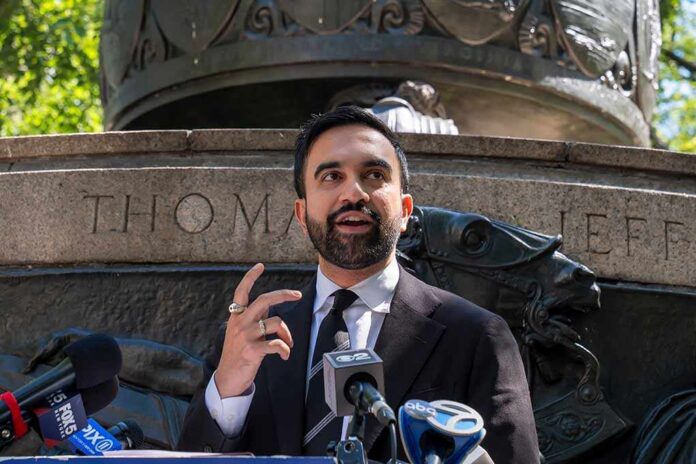
Mayor Zohran Mamdani and City Council Speaker Julie Menin reached a deal to end the horse-carriage industry by 2028. Menin called carriages a growing public-safety risk in a busier Central Park, and scheduled the City Council vote to codify the phaseout. The agreement shifts New York from tighter rules to an outright end. That move follows decades of debate and years of smaller fixes that never settled the fight over safety and welfare.
The legislation does more than pull the plug. It orders the city to produce a full transition plan by April 1, 2027. The plan must offer job referrals, training, career counseling, and help placing retired horses in sanctuaries. It bars selling horses to slaughter. It also sets penalties after the phaseout, with fines and possible jail for anyone who keeps operating anyway. Supporters frame these parts as guardrails, not punishment.
The Tragedy That Forced A Reckoning
Public pressure spiked after the death of 18-year-old tourist Romanch Mahajan. Police and reporters said a horse bolted when the driver stepped away to take a photo. The carriage ran, Mahajan fell, and he died from head injuries. That single moment did what years of rallies did not. It put risk in human terms, not policy terms. Critics argue one fatal crash should not erase an entire trade. But elected leaders judged that the cost of another tragedy was too high.
Animal risk also entered the case. A 16-year-old horse named Deniz collapsed and died in the park. A Cornell University necropsy blamed Japanese yew, a toxic plant. The report did not prove who controlled the exposure, but it showed another point of failure that policy did not catch. A Manhattan Borough President report added history to headlines. It cited 96 serious incidents and 40 horse deaths over many years, while admitting no single public database exists to confirm every event.
Workers, Tradition, And The Fight Over What Is Fair
Carriage drivers and their allies see the deal as an attack on a lawful, licensed small business. They say carriages are part of the city’s identity and tourism. They argue that stronger safety rules, not a ban, would address risk. The Transport Workers Union warned that workers face lost jobs and said the transition plan lacks real financial protection for owners and drivers. The union’s push for regulation over prohibition fits a conservative view: fix what fails, do not nuke the whole industry.
New York City is moving to ban horse-drawn carriage rides in Central Park by June 2028 after a fatal accident renewed safety concerns. https://t.co/ygdw91ve0d
— WKYC 3News (@wkyc) October 14, 2026
Owners warn of crushed medallion values and lost homes. They say the city cannot seize their property and erase decades of work. They also insist their horses receive good care and that broad abuse claims paint an unfair picture. That argument lands with many New Yorkers who value self-reliance and earned livelihoods. But the counterweight is clear. City leaders have a duty to prevent foreseeable harm. When a low-probability risk carries catastrophic stakes, voters often favor ending it over tuning it.
Is A Ban The Only Way To Reduce Risk?
Reasonable people can ask whether narrower fixes would work. Options could include strict driver-presence rules, route and speed limits, stable inspections, and removal of toxic plants. Supporters of the ban say decades of tweaks still left too many gaps. Opponents say the city never tried a data-driven safety regime with teeth. The incident tally helps the ban’s case, but the lack of one unified database leaves room to question whether a ban is the only rational answer.
Policy should marry heart and math. A full ride-by-ride risk rate would help compare carriages to bikes, pedicabs, and taxis. That analysis does not exist in public view. In its place, the Council is choosing certainty: no horses, no horse crashes. That is a clean line for safety and welfare, though it places the burden on working families unless the transition plan gains real funding, clear rules, and measurable job placement targets.
What To Watch Next
Three tests will decide whether this deal becomes a durable policy. First, the vote margin and whether amendments lock in real worker aid. Second, the quality of the transition plan due in 2027, including money, training seats, and guaranteed placements. Third, enforcement after the sunset date. If the city gets those right, the ban sticks. If not, expect lawsuits, political backlash, and a bruising fight over medallion value and property rights.
Sources:
facebook.com, abcnews.com, nytimes.com, nbcnewyork.com, cnn.com, ny1.com, pix11.com