Federal agents confirmed a wave of suspicious letters with unknown powder sent to election and congressional offices just weeks before midterms.
Story Snapshot
- The Federal Bureau of Investigation (FBI) said some letters contained an unknown substance.
- State election offices in Louisiana, Oklahoma, and Ohio reported evacuations or intercepted mail.
- The U.S. Postal Inspection Service and U.S. Capitol Police joined the probe.
- Congressional security urged staff to treat such mail as potentially hazardous.
Federal Confirmation And The Core Facts
The Federal Bureau of Investigation publicly said it is investigating a series of suspicious letters sent nationwide to Secretary of State offices and related election offices. The agency said some letters contained an unknown substance. That statement set the tone for a multi-agency response and confirmed that the problem reached beyond a single state or party office. The timing matters. These letters landed in the tight window before the November midterms, when small disruptions can upend already stretched election teams.
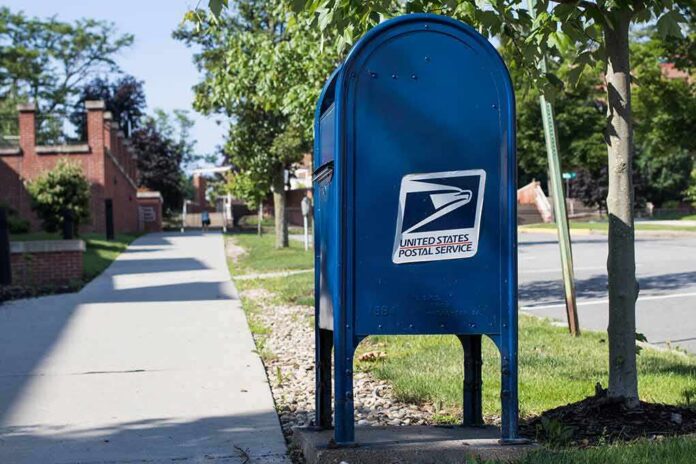
The U.S. Postal Inspection Service, which leads on crimes involving the mail, confirmed it is working with the FBI. The U.S. Capitol Police joined where congressional offices were involved. That three-part structure reflects how these cases get built: postal routes and evidence, federal investigation, and protection of Congress. Postal officials also said some letters were intercepted before delivery, which likely reduced evacuations and exposure.
What State Offices Saw On The Ground
Louisiana’s Secretary of State office in Baton Rouge evacuated after a staff member found white powder in a letter. Oklahoma’s election office also cleared out because of a similar find. In Ohio, the United States Postal Service intercepted a letter with a powdery substance that was headed to the Secretary of State’s office. These details came directly from named officials who run those operations every day. They give a clear picture of impact: alarms pulled, buildings cleared, mailrooms locked down.
Congressional offices received security notices that treated the mailings as potentially hazardous. The Senate Sergeant at Arms and the House Sergeant at Arms urged staff to report and isolate any suspicious mail and follow safety steps. Those notices do not prove the substance was dangerous; they simply apply the rule that you protect people first and test later. This is standard practice built after past dangerous-mail cases.
Numbers, Unknowns, And What Matters Now
Officials have not released a final count of letters. Reports described incidents in several states and on Capitol Hill, but agencies did not publish a master list. Early NBC reporting said preliminary tests suggested the powder was not hazardous, yet authorities did not release a lab identity or formal results at that time. The proper takeaway is simple. Threat hoaxes still force evacuations, tie up first responders, and risk harm if someone guesses wrong. Authorities treat them as real until labs say otherwise.
Commentary that tried to assign a motive or pin the letters to one sender ran ahead of the evidence. The FBI said it is working to find who is responsible and has not named a suspect or motive. Common sense says let the labs and forensic teams work. That approach aligns with American conservative values of due process and strong law enforcement. Focus on the crime, follow the facts, and do not smear by rumor. A real case needs fingerprints, postal data, handwriting, or DNA to tie it all together.
Why Election Offices React Fast
Elections run on fixed calendars and thin margins. One mailroom scare can empty a building for hours and delay routine steps like ballot proofing or poll worker support. That ripple effect is why election offices train for dangerous mail and why they evacuate fast. The country has lived through worse. The 2001 anthrax attacks killed five people and sickened many more, and they targeted Congress and media offices by mail. That history explains the rapid posture today.
🚨🇺🇸 BREAKING: FEDERAL AUTHORITIES INVESTIGATE SUSPICIOUS MAIL SENT TO U.S. LAWMAKERS AND ELECTION OFFICES
Federal law enforcement agencies are investigating suspicious letters containing unidentified substances sent to congressional offices and election officials across…
— Eyeworldnewsdigital (@eyeworldnews444) October 16, 2026
This wave also sits inside a broader pattern of pressure on public servants. Surveys have found many local election officials report threats, harassment, or abuse tied to their jobs. That trend does not prove any one incident is part of a plot, but it does raise the baseline risk that someone will test a system or try to scare workers. It also justifies robust training, better mail screening, and fast coordination across agencies.
What To Watch For Next
Watch for three hard signals. First, lab results that name the substance and compare samples from different letters. Second, postal forensics that match postmarks, sorting data, or packaging. Third, investigative leads that identify a sender. Those pieces turn scattered events into a case. Until then, the public should follow basic guidance: do not handle strange mail, report it, and give professionals room to do their jobs. That is how you keep people safe and elections on track.
Sources:
votebeat.org, cnn.com, nbcnews.com, yahoo.com, thehill.com, brennancenter.org