A single word — “No” — on national television now sits against years-old family posts that say the opposite.
Story Snapshot
- Abdul El-Sayed denied that he or his family had Muslim Brotherhood ties on Meet the Press.
- Posts attributed to his half-sister describe family links to the Muslim Brotherhood and a mother’s activism.
- Rep. Brandon Gill reframed the dispute as a national security fitness test for the U.S. Senate.
- The record lacks proof that El-Sayed himself joined or supported the organization.
The televised denial that launched the clash
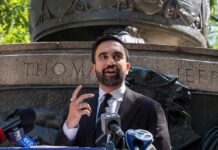
Kristen Welker asked Abdul El-Sayed a clean, direct question on Meet the Press on October 11, 2026. Did he or his family have ties to the Muslim Brotherhood? El-Sayed answered, “No.” He then answered “No” again when asked about his family. That exchange set the stake. It created a bright line that either stands or breaks once the public sees what sits in the files and the posts.
Reporters and commentators surfaced posts attributed to El-Sayed’s maternal half-sister, Eman Abdelhadi. The reports quote her describing a family that had “long been” in the Muslim Brotherhood, relatives jailed for being “a part of it,” and a mother who was active in the group in college in the early 1970s. The posts also urged family in Egypt who support the group to “lie low” and “stay safe” during unrest. None of those reports identify a record that El-Sayed himself joined.
Why Brandon Gill made it a Senate fitness test
Representative Brandon Gill did not stop at the who-said-what. He argued the threshold for Senate service is higher because the chamber touches classified briefings, foreign policy, and national defense. He framed it as basic due diligence: voters should expect clear distance from groups the United States and allies treat as security threats. To a conservative audience, that maps to common sense: if doubt lingers, clear it with documents and names, not slogans.
Gill’s framing works because it shifts the focus from internet archaeology to risk. That approach also narrows the remedy. If the evidence is thin or hearsay, the campaign should prove it wrong with records. If the evidence is real and specific, the candidate should explain what he knew and when. Either way, the task is clarity, not outrage. The country deals with real enemies. Voters need confidence that the people they send to Washington will be crystal clear about them.
What the sourced record actually shows — and what it doesn’t
The best-documented anchor is the Meet the Press transcript. It shows a categorical “No” from El-Sayed about himself and his family. The counter comes from reports about Abdelhadi’s posts describing family connections, relatives jailed, and a mother’s activism decades ago. Other outlets captured the same contrast and added that the posts did not name which relatives or define what “ties” meant in practice. That gap matters if we care about facts and not just vibes.
Several outlets also noted the limit of the available record: no proof that El-Sayed personally joined, funded, or acted for the Muslim Brotherhood. That line is key for conservatives who want to be tough and fair. Personal conduct is not the same as family history. Still, the contradiction is real. If the posts are authentic and accurate, the blanket denial is hard to square. Precision would fix this fast — identify relatives, define “ties,” and show what the candidate knew when he answered.
The path to clarity that respects security and fairness
Campaigns settle disputes like this with simple steps. Authenticate the posts with platform archives or sworn statements. Identify the relatives referenced and their roles. Confirm the mother’s claimed activism with dates, organizations, and independent records. State, on the record, what El-Sayed knew about those facts, and why he said “No.” Voters do not need a novel. They need a timeline and names that match public documents. If the record clears him, publish it. If it complicates his denial, correct it.
Congressman Brandon Gill is doing exactly what voters want from their representatives when he points out that Abdul El-Sayed’s own sister described long family ties to the Muslim Brotherhood, only for El-Sayed to deny any connection and then label the question Islamophobic.… https://t.co/YIBCzteUlJ
— Clayton Weaver (@WeaverClayton) October 14, 2026
The counter from El-Sayed’s side so far says the allegations are racist and untrue, but it does not answer the core factual claims in detail. That response may rally friends but will not close the file for skeptics. The fastest end is sunlight. If the posts misstate family history, say so and show how. If some relatives were involved abroad long ago, say that and draw a hard red line to the candidate’s life and choices here. National security is not a game. Precision protects both the country and the innocent.
Sources:
conservativeinstitute.org, foxnews.com, theblaze.com, jewishinsider.com, nbcnews.com, legalinsurrection.com