France built a legal path for troops on its streets—and now the pressure to use it is back.
Story Snapshot
- France already deploys soldiers at home to guard sites under a counterterror mission.
- Retired generals warned of “disintegration” and even army intervention years ago.
- The government can and has surged security forces during major unrest.
- Officials deny tank rollouts against protesters; the army is not the main riot force.
What “calling out the army” actually means in France
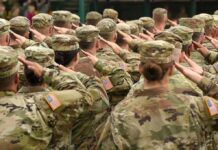
French law and practice already allow soldiers to operate on French soil for security. After the 2015 Paris attacks, leaders stood up Operation Sentinelle. It places thousands of troops at transport hubs, religious sites, and public spaces to deter and respond to terror threats. Government updates show ongoing domestic tasks and regular rotations of units under this banner. This is not martial law. It is a defined support role that runs alongside police and gendarmes, not above them.
When leaders raise the national alert level, they can increase the number of troops on visible patrol. Reports have cited mobilizations in the several thousands when the threat level spikes. The same pattern showed up in broader unrest: interior forces surged, and soldiers guarded sensitive targets. A United States security report later described Sentinel forces of about 10,000 paired with police at key sites, underscoring this blended posture. The image is clear: troops protect places; police handle crowds.
Why talk of “barbarians” and civil war keeps resurfacing
The rhetoric did not start this week. In 2021, retired senior officers published open letters warning that Islamism, violence, and contempt for institutions could crack the country. Some letters hinted the army might have to “intervene” if leaders failed. Outlets counted thousands of signatories and traced the warnings to a far-right media ecosystem. That show of alarm had weight because the authors wore stripes, even though they wrote as private citizens.
Yet those letters did not signal a green light from the armed forces. Research on the episode found the active-duty ranks remained loyal to the chain of command and wary of politics. The letters reflected anxiety, not an order of battle. That gap matters. Conservative common sense says guardrails exist for a reason: soldiers defend the nation, police police the streets. Mixing those roles should be a last resort, with a clear legal basis and a narrow mission.
What French authorities actually did during major unrest
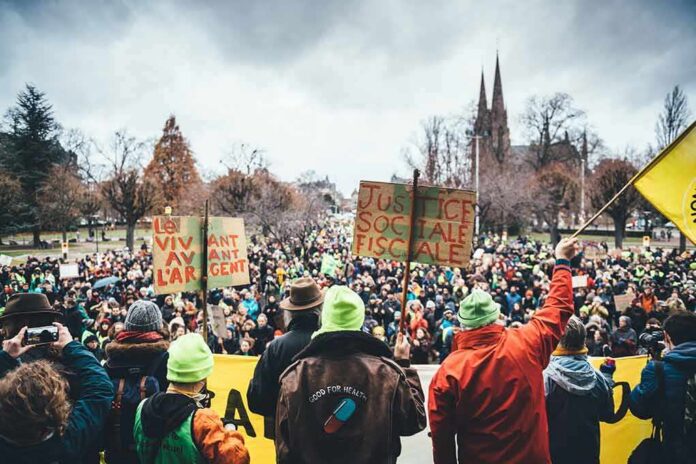
French leaders have leaned on police and the gendarmerie to confront riots. During the 2023 violence, officials deployed tens of thousands of interior forces and made thousands of arrests. The public record lists 45,000 security personnel and 3,915 arrests, showing a massive police-led response rather than a military takeover. That is the pattern since 2005: politicians may declare emergencies or raise alerts, but interior forces remain the primary tool for order.
Claims that tanks rolled against students broke on contact with facts. France 24 reported that the army did not deploy tanks to crush protests, countering viral claims with on-the-ground checks. Defense Ministry bulletins framed Sentinelle as counterterror protection, not a crowd-control role. The distinction may feel technical on a chaotic night, but it is real. Soldiers stand guard at stations and synagogues; riot police clear streets and make arrests.
So, will France “call out the army” now?
The power exists, but the mission is narrow. Leaders can add troops to guard targets if the terror threat rises or if police need static protection to free up mobile units. Defense updates already show regular domestic employment under Sentinelle. The case for wider military use against unrest stays weak unless police lose control across large areas and courts approve exceptional steps. Even then, history shows French governments prefer to surge interior forces first.
Two things can be true. First, a hard security edge is necessary when networks plot attacks or exploit chaos. Second, crowd anger often comes from schools, jobs, and trust, which soldiers cannot fix. Putting troops on corners can buy time. It cannot heal the wound. Conservative prudence says use the right tool for the job, with clear limits and public candor—defend the border and sacred sites with steel, and restore order with trained police, firm law, and swift justice.
Sources:
pjmedia.com, min.news, france24.com, organiser.org, blogs.lse.ac.uk, en.wikipedia.org