U.S. embassies across the Middle East issued near-identical security alerts telling Americans to stay vigilant and be ready for travel disruptions.
At a Glance
- Multiple U.S. embassies warned of a complex security environment and possible sudden escalation.
- Alerts told Americans to expect possible flight cancellations and airspace closures.
- Embassy social posts mirrored the same language, signaling a coordinated push.
- Regional tensions and cross-border risks framed the warnings as region-wide, not local.
What The Embassies Told Americans, In Plain Terms
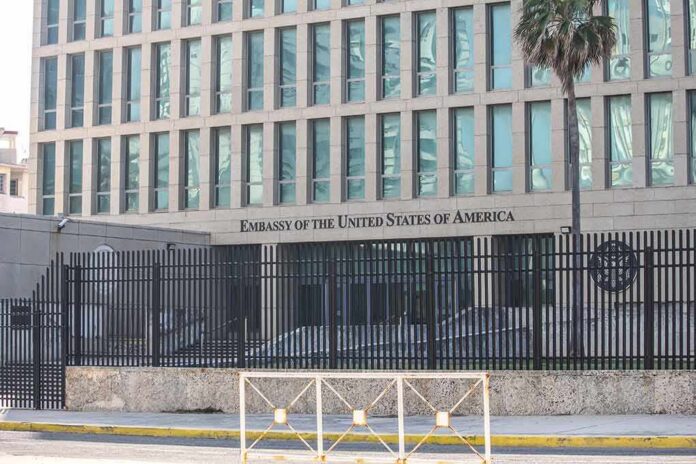
U.S. diplomatic posts in several Middle Eastern capitals posted the same core warning. The messages said the security environment was complex, and that conditions could escalate without warning. They told Americans to stay alert and plan for travel problems, including flight cancellations and airspace closures. The U.S. Embassy in Amman and the U.S. Embassy in Abu Dhabi each used that language in dated alerts, anchoring the message in official channels that Americans trust for timely guidance.
These were not one-off notes. Multiple embassies pushed the same phrases on social media, which shows a deliberate, aligned approach. The U.S. embassies in Qatar, Lebanon, and Saudi Arabia posted the alert language, matching the formal notices and reinforcing a single, clear signal to citizens on the move or living abroad. That kind of echo is by design in consular communications. It reaches travelers who rely on social feeds rather than embassy websites.
Why A Region-Wide Warning Matters Right Now
State Department messaging framed the risk across the region, not just in one country, which fits the threat picture when tensions can spill over borders. Coverage summarized at least 11 U.S. posts sharing the warning, from Israel and Jordan to the United Arab Emirates and Qatar. Broader reporting tied the alerts to rising military risk and energy-security flashpoints, including threats linked to the Strait of Hormuz and regional proxy activity that can disrupt civil aviation and shipping lanes.
Americans in the region face practical stakes, not just headlines. Airspace closures strand travelers. Sudden airline schedule cuts ripple through hubs from Riyadh to Doha and Dubai. The alerts told citizens to think ahead, keep documents ready, and follow airline and airport notices closely. That advice is standard when risks rise but timing is unclear. It helps families plan exits, firms adjust staff travel, and tour operators build backup options without panic.
The Logic Behind Standardized Warnings
Diplomatic security teams favor clear, matched language when speed matters more than fine detail. They warn early, limit specifics, and protect sources while moving Americans to safer choices. The Middle East often demands that approach because sparks in one country can close runways in another by nightfall. The mirrored alerts across embassy pages and social posts point to a coordinated risk posture built to reduce confusion and stop rumor mills before they start.
Some readers ask whether broad wording dilutes urgency. It does the opposite when used across a region. One message, many channels, and simple steps cut through noise. From a conservative, common-sense view, this is government doing its core job: warn citizens, preserve freedom of movement, and avoid needless risk. The alerts did not name a single clock-ticking plot, but they did give Americans the two things that matter in fast-moving crises: time and options.
What Travelers Should Do Next
Enroll in the Smart Traveler Enrollment Program if you have not already. Monitor airline apps and airport advisories. Keep passports, visas, and medication ready. Build a simple family plan with meeting points and backup routes. If you can delay non-essential trips, do it. If you must fly, book flexible tickets and avoid tight connections. Follow local laws and heed curfews. Most of all, check embassy channels daily. When risk shifts, official posts move first with updates.
Sources:
njsr.com.ng, yahoo.com, avapress.com, ground.news, x.com