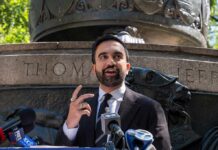
Ted Cruz said Americans could die if Abdul El-Sayed lands a Senate Intelligence seat, and the charge hit like a flare in a dry field.
Story Snapshot
- Cruz warned El-Sayed on the Intelligence Committee could endanger Americans.
- Reports captured the same warning across several outlets during late October 2026.
- El-Sayed disavowed the Muslim Brotherhood and denied ties.
- Senate Intelligence rules tightly control classified access and leaks carry penalties.
What Cruz Said, Where He Said It, and Why It Landed
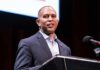
Senator Ted Cruz told voters in Michigan that if Abdul El-Sayed wins a Senate seat, Senate Democratic Leader Chuck Schumer could place him on the Senate Intelligence Committee. Cruz said the committee handles the nation’s most guarded secrets. He warned that if El-Sayed supports the Muslim Brotherhood, “there is a very real risk that Americans will die.” The clip ran on national platforms and repeated across outlets, which ensured the message reached far beyond one rally.
The power of the claim rests on a real process point. Party leaders help assign members to committees. The Intelligence Committee receives briefings that few in Washington see. That mix—assignment discretion and high-grade secrets—makes for a potent campaign warning. It also raises a hard question. How much proof should voters demand before turning a label into a life-or-death claim? That question tends to linger long after the applause fades.
What El-Sayed Says About Loyalty, Faith, and the Brotherhood
Abdul El-Sayed has answered the charge head-on. He has disavowed the Muslim Brotherhood. He has denied any ties by him or his family. He says the United States Constitution would guide his service, not any foreign or religious group. He has also pushed back on the frame, saying it echoes past efforts to suggest “dual loyalty” based on faith. He compared the moment to doubts once aimed at John F. Kennedy’s Catholicism.
El-Sayed says he is running for the United States Senate and happens to be Muslim, not to be a “Muslim senator.” He adds he would support labeling any group that commits political violence as a terrorist group. That is a clear standard many voters can grasp. It sets conduct, not creed, as the litmus test. Campaigns thrive on labels. Voters need rules that sort rhetoric from risk. His stated rule is simple: violence earns terror status, period.
How the Intelligence Committee Actually Handles Secrets
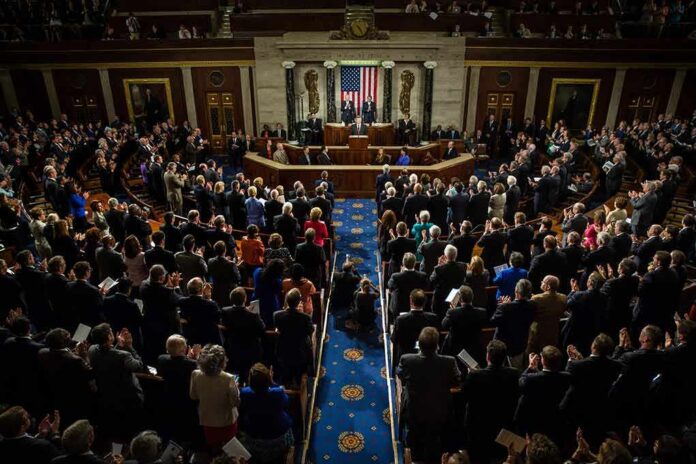
The Senate Intelligence Committee runs under strict rules. Members are bound by law and committee rules on classified handling. Staff access depends on clearances and need-to-know limits. The rules bar disclosure beyond official channels and set procedures for any release. Those controls do not make leaks impossible, but they do make them rare, prosecutable, and career-ending when proven. The framework matters when weighing any claim that a single appointment would doom lives.
@Newsweek Senator Ted Cruz warned that ‘Americans will die’ if Michigan Democratic Senate candidate Abdul El-Sayed wins and is appointed to the Senate Intelligence Committee, claiming his alleged support for the Muslim Brotherhood could put American lives at risk.
— Newsweek (@Newsweek) October 28, 2026
Committee members do not get a “license to spill.” Agencies brief, but the law still governs. If a senator leaked secrets to terrorists, that would be a crime and a scandal of the first order. That possibility exists for any member, from any party. Conservatives value strong borders, strong laws, and strong consequences for spies and leakers. The safer bet is to judge by evidence, past conduct, and the rules that keep the guardrails tight, not by a label alone.
What We Know, What We Don’t, and How to Weigh the Risk
Multiple reports documented Cruz’s warning and its core phrasing. The claim names a pathway—committee placement—and a result—Americans could die. The public record, to date, does not supply documentary proof that El-Sayed supports or belongs to the Muslim Brotherhood. Coverage from across the spectrum underscores that gap. El-Sayed’s disavowal is on the record. Voters face the real task here: reward alarm only when paired with facts that survive daylight.
The standard should be clear and fair. First, show evidence that ties a person to a proscribed group or violent branch. Second, show behavior that risks mishandling classified material. Third, map how committee access would enable harm despite rules and penalties. That three-step test aligns with common sense and conservative prudence. It protects Americans without punishing faith or speech. It also keeps campaigns from swapping proof for panic when the stakes involve lives.
Sources:
youtube.com, yahoo.com, thehill.com, cnn.com, bridgemi.com, intelligence.senate.gov, washingtonpost.com, govinfo.gov