Florida just spent millions to slap Trump’s name on Palm Beach’s airport, and in the fine print you can see a live experiment in political branding, local power, and who really benefits.
Story Snapshot
- Florida took over airport naming authority and ordered Palm Beach International Airport renamed for President Trump.
- The state set aside $2.75 million for rebranding, but total costs are pegged around $5.5 million.
- A 4–3 county vote approved a licensing deal that gives Trump’s side control over how his name and image appear.
- The change is set for July 1, but the Federal Aviation Administration still has to sign off.
State power moves local airport into the political spotlight
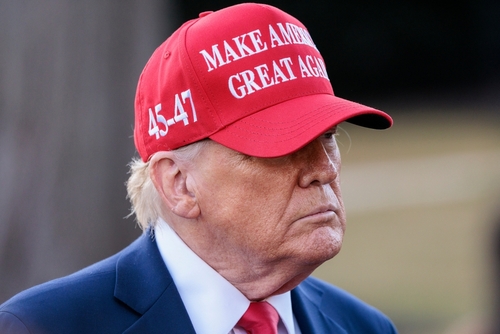
Governor Ron DeSantis did not just back a name change; he signed a law that shifts the power to name major commercial airports from local hands to the State of Florida. That law orders Palm Beach International Airport to become President Donald J. Trump International Airport, with the legal text making the rename a matter of state authority, not county choice. The airport’s own announcement stresses that operations, ownership, and county governance stay the same, even though the sign out front will not.
The law takes effect July 1 and ties the rename to federal approval. The airport explains that the name change is “pending all required approvals,” including the Federal Aviation Administration. That means the state has set the direction, but Washington still has to clear the runway. For now, the airport code remains PBI. Separate federal legislation could push to change the three-letter code to DJT, but that would need its own review process before travelers see it on their boarding passes.
Millions for rebranding and a gap taxpayers may feel
Rebranding an airport is not a matter of swapping a few signs. Local coverage puts the expected cost around $5.5 million for new signage, printed materials, branding, and related system updates. Florida’s budget includes $2.75 million aimed at uniforms, wayfinding signs, and marketing tied to the Trump name. That leaves about half the estimated bill uncovered, a gap that will have to be filled by airport revenues, county funds, or other grants. For cost-conscious conservatives, that shortfall matters.
Supporters talk about potential economic upside, from stronger branding to Trump supporters eager to fly into an airport that carries his name. Yet in all the public records and coverage, there is no serious economic study that proves a name change alone boosts airport income or tourism in a clear, measurable way. This is a roll of the dice, not a numbers-backed investment plan. For many Americans, especially on the right, common sense says you ought to see hard data before spending millions on marketing a politician.
Licensing deal hands Trump’s side control over the brand
Palm Beach County commissioners faced a choice: fight the state head-on or sign a licensing agreement that lets them legally use Trump’s name and image. They voted 4–3 to approve that agreement, a narrow margin that shows how divided the local leaders are. According to reporting on the deal, the agreement gives Trump’s companies oversight of branding and veto power over how his image is used at the airport. That is a level of control over a public facility’s look and feel that usually belongs to the public’s own officials.
The county gains a royalty-free right to use the President Donald J. Trump International Airport name in operations. At the same time, critics warn that the contract could open doors for Trump’s business interests to earn money from merchandise, licensing, or spin-off branding tied to that name. The Trump family company has already filed trademark requests for the use of his name on airports and related items, while insisting it does not plan to charge royalty fees for this Florida rename. Whether that promise holds over time is a fair question for skeptics who have watched how political brands get monetized.
Fights, lawsuits, and a break with past presidential honors
The rename has sparked lawsuits and public anger. One local pilot went to court, arguing the move overrides local authority and challenges whether the state can order changes to a county-owned airport. Released records and social posts show residents who are uncomfortable honoring Trump this way, and who see the law as a political stunt rather than a civic tribute. Media outlets, including national voices, frame the whole project as a partisan move dressed up as infrastructure. That framing shapes how the country views the story, even before judges weigh in.
MASSIVE 🔥 — In a STUNNING development, Florida Governor Ron DeSantis signed HB919, officially renaming Palm Beach International Airport to "PRESIDENT DONALD J. TRUMP INTERNATIONAL AIRPORT". It will take effect on July 1.
FOLLOW ME, THE NEXT DROP WILL BE SHOCKING. pic.twitter.com/yQCK4kQQnD
— John f Kennedy JR (@Amelia_Davilzc) June 28, 2026
Supporters point out that naming public assets after presidents is nothing new. Airports already carry the names of Ronald Reagan, John F. Kennedy, and others. But this case is different in two big ways. First, Trump is a sitting president, not a former one, making this the first attempt to rename a major commercial airport for a president while he is still in office. Second, the tight links to a private business brand and trademark filings make this less a memorial and more a live marketing platform attached to a public asset.
What this experiment says about power, branding, and voters
Seen through a conservative lens, the core facts cut both ways. On one side, state lawmakers are exercising clear authority, asserting a unified naming policy and honoring a president many Floridians support. The law keeps county ownership intact and does not force new taxes on its face. On the other side, taxpayers fund a costly rebrand that leans on a political figure’s private brand, under a licensing deal that grants unusual control to that figure’s companies. That is a red flag for anyone who believes public assets should serve citizens first.
What happens next will test how much everyday travelers care. Some will shrug and roll their bags past the new logo. Others will cheer or fume at every Trump sign they pass. But the deeper story is this: if this kind of branding works here, expect more politicians to try to weld their names onto roads, tunnels, and airports while they still hold office. Voters who want government focused on service, not self-promotion, will need to watch those moves as closely as any flight status board.
Sources:
independent.co.uk, pbia.org, pbs.org, youtube.com, thehill.com, x.com, cbs12.com, facebook.com, wfmd.com