

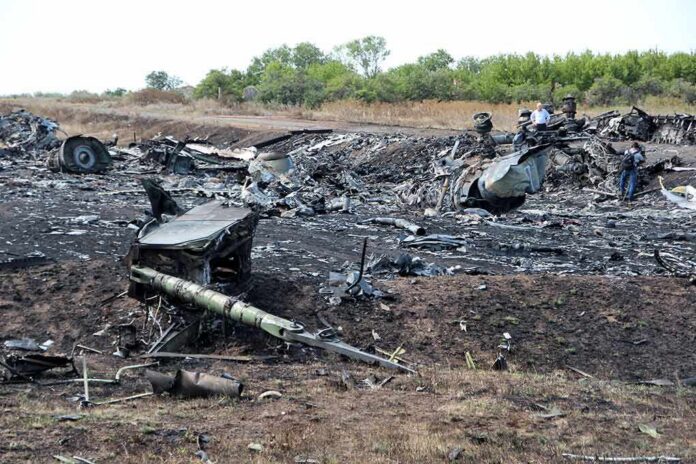
Nine people died when a Learjet 60 fell from the sky into a Palm Beach County neighborhood at midday.
Story Snapshot
- Federal authorities reported a Learjet 60 crashed near Greenacres around 12:50 p.m. on Nov. 1, 2026.
- Officials identified the jet as N722BD, flying from Austin to North Eleuthera in the Bahamas.
- All nine aboard were killed; officials reported no survivors.
- Fire and debris spread across a residential area near Military Trail and 10th Avenue North.
What happened, where, and when
Federal authorities said a Learjet 60 crashed near Greenacres in Palm Beach County at about 12:50 p.m. on Sunday, November 1, 2026. The crash site sits in a dense residential area near Military Trail and 10th Avenue North, about nine miles from Mar-a-Lago. Officials on scene described flames and scattered wreckage across a mobile-home neighborhood. Crews moved residents away from active fire zones as they knocked down the blaze and checked for secondary hazards from fuel and debris fields.
The jet was identified as tail number N722BD. Federal aviation officials said it departed Austin-Bergstrom International Airport and was bound for North Eleuthera Airport in the Bahamas. Reports described a rapid descent before impact, but officials did not share a cause. Early images from the neighborhood showed blackened structures, mangled metal, and scorch marks along property lines, consistent with a large post-crash fire. Officials did not release the names of those aboard during the initial response window.
Casualties and the scale of destruction
Transportation officials stated that all nine people on the aircraft died. First responders reported no survivors at the scene. Agencies did not provide a full accounting of ground injuries in early briefings. Photos and video captured a tall plume and a fireball, which suggests a high-energy impact followed by an intense fuel-fed fire. Debris appeared across streets and yards near the core impact point, with responders working to secure gas and power lines where needed to prevent secondary incidents.
Local and national outlets documented heavy damage close to the footprint. Charred vehicles and damaged roofs marked the immediate blast area. Firefighters established perimeters to keep civilians back as investigators began site control. Neighborhood residents described a roar, then a shock that rattled windows. Many stood at a distance as crews staged water lines and foam, a common tactic when jet fuel spreads across driveways and grass patches near homes.
Who leads the investigation and what comes next
The National Transportation Safety Board (NTSB) took charge of the investigation, with the Federal Aviation Administration (FAA) supporting. That structure is standard for fatal civil aviation crashes. The NTSB’s process begins with on-scene documentation, interviews, and securing perishable evidence. The agency then analyzes flight operations, maintenance, human factors, and weather. A preliminary report with early facts typically posts weeks after an accident and does not include cause or analysis.
New video reportedly shows pieces of aircraft wreckage scattered throughout a mobile home community near the scene of today’s deadly plane crash in Greenacres, Florida.
The Learjet 60 crashed near Military Trail and 10th Avenue North in Palm Beach County, killing all nine people… pic.twitter.com/LU5Epy7po9
— Lindsay 🇺🇸 (@TheLinzerShow) November 2, 2026
The timeline for a final determination often spans many months. The National Transportation Safety Board states that general aviation accident investigations can take a year or more to complete. The preliminary report is a factual snapshot and should not be read as a cause finding. The final work product includes the probable cause and any safety recommendations aimed at preventing a repeat. That measured pace protects due process and sound engineering over guesswork.
Why the flight details matter
The declared route from Austin to North Eleuthera frames key questions for investigators. Crews will examine flight planning, fuel, forecast weather along the path, and any notices that affected the route. The Learjet 60 is a high-performance business jet that demands strict adherence to procedures. Investigators will pull maintenance logs and operator records tied to N722BD. They will also seek air traffic control audio, radar tracks, and data from any recoverable avionics to map the final minutes.
Reading the scene without jumping to cause
Early photos of large flames can sway public opinion, but fire behavior alone does not prove why a jet went down. Investigators will grid the debris field to understand break-up patterns and impact forces. They will test fuel samples, inspect engine cores, and trace control linkages for pre-impact faults. Weather reports and witness accounts add context, but the lab work and matched data tell the story. That disciplined approach aligns with common sense and avoids rumor-driven errors.
Sources:
facebook.com, floridatoday.com, nbcdfw.com, ntsb.gov