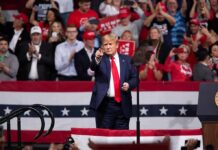
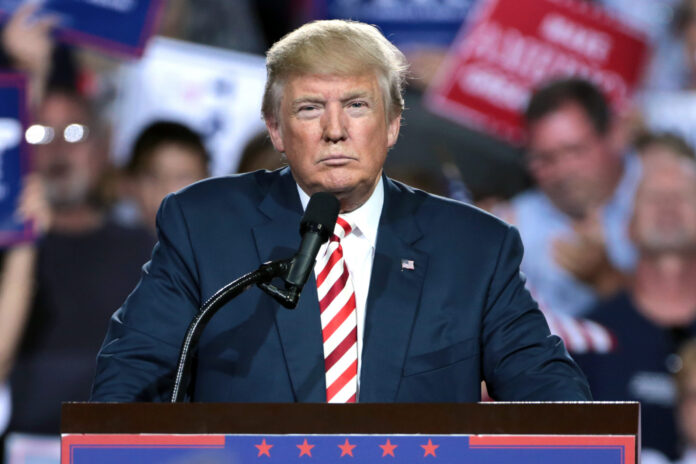
President Trump unleashed a furious response during a CBS 60 Minutes interview when anchor Norah O’Donnell read portions of a shooter’s manifesto that specifically targeted administration officials. The tense exchange, recorded just hours after a shooting incident on April 26, revealed deep tensions between the president and the media over how violent manifestos should be covered.
Manifesto Reading Sparks Confrontation
O’Donnell quoted directly from the suspect’s writings, which labeled administration officials as targets and included inflammatory accusations against Trump. The manifesto’s author, identified as Allen, wrote that he believed it was his duty to take action against officials, calling them pedophiles, rapists, and traitors. When O’Donnell read these passages on camera, Trump immediately accused the CBS anchor of being part of horrible people who deliberately chose to amplify the shooter’s words.
Trump denied the manifesto’s accusations categorically, stating he was not a rapist or pedophile and that he had been totally exonerated. He turned the focus to political opponents, suggesting they were the ones with connections to Jeffrey Epstein and similar controversies. The president called O’Donnell disgraceful for reading the manifesto’s content on national television, arguing that 60 Minutes should not be platforming a sick person’s writings.
Epstein Files Connection Emerges
The interview took another contentious turn when Trump’s name appeared more than 38,000 times in recently released Jeffrey Epstein files, according to a New York Times review. Representative Jamie Raskin reported finding over a million Trump mentions when searching the unredacted documents. Trump dismissed these references, claiming the other side was involved with Epstein while he remained uninvolved. The president accused O’Donnell of deliberately connecting him to the manifesto’s accusations despite his denials.
Media Standards Under Scrutiny
The confrontation raises questions about journalistic responsibility when covering violent manifestos. O’Donnell defended her approach, stating she was merely quoting the suspect’s alleged words as part of legitimate news coverage. Trump countered that reading such inflammatory material associates innocent people with false accusations from mentally unstable individuals. The heated exchange concluded with Trump telling O’Donnell to finish the interview despite calling her disgraceful. This incident highlights the ongoing tension between media coverage of politically motivated violence and concerns about amplifying extremist messaging.