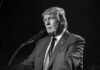
President Trump has drawn a bright, public red line: Iran will never have a nuclear weapon, period.
Story Snapshot
- Trump has repeated the “no nuclear Iran” pledge in official forums and speeches.
- The White House compiled dozens of dated statements to document that stance.
- Trump paired the hard line with talk of possible negotiations and a deal.
- The message links Iran’s bomb ambition to direct threats against U.S. cities.
The Public Commitment Is Clear And Repeated
Trump has stated the same core line again and again: Iran cannot and will not get a nuclear weapon. The White House published a compilation of seventy-four remarks to prove consistency over time, with quotes from early 2025 through fall 2026. The language is simple and emphatic: “They can’t have nuclear weapons,” and “I will never allow Iran to have a nuclear weapon.” Those statements appear in official venues, not only rallies, which fixes them as policy, not a one-off slogan.
Trump’s United Nations address carried the same message. He called Iran a prime danger and said he had been unwavering on the nuclear red line. He presented the stance as a standing U.S. commitment, not a campaign flourish. The line served a purpose that older readers will spot at once: it signaled deterrence to Tehran, clarity to allies, and resolve at home. The core takeaway from that speech was blunt and memorable: “I will never allow Iran to have a nuclear weapon”.
The Deterrence Logic He Wants Voters To Remember
Trump linked the policy to a vivid threat picture. He warned that a nuclear-armed Iran could strike American cities and unleash chaos. He invoked the cost of a single bomb hitting a city to argue that prevention beats regret. That framing is forceful because it turns an abstract enrichment debate into a kitchen-table risk. The line resonates with common sense: when stakes are existential, you do not gamble on good intentions or vague promises.
Some coverage focused on his sharp rhetoric about what a nuclear strike could mean. Those examples were not predictions; they were warnings designed to stiffen spines. The strategic point is familiar to anyone who has studied Cold War signaling. You prevent the worst by saying what you will not accept, and by convincing the other side you mean it. That is the backbone of deterrence. It is also why repetition helps: clarity deters; confusion tempts.
The Dual Track: Pressure With A Door For Talks
Trump also kept a second lane open. He spoke about expecting new talks and about the chance for a deal that meets U.S. goals while locking Iran out of the bomb. That is not a contradiction. It is the classic two-track play that U.S. administrations use: squeeze with sanctions and force posture while testing diplomacy for a verifiable cap. The promise stays the same. The path to keep it includes both pressure and a potential agreement if terms are strong and clear.
Policy analysts have long noted that a firm military backstop can sharpen diplomacy by raising the cost of stalling. Trump’s framing fits that mold. He holds the line on “never” while hinting that a tough, enforceable deal could deliver it without war. That echoes patterns seen in past nuclear cases. Negotiations move when red lines are bright and enforcement is credible. They stall when red lines wobble and penalties feel remote.
What Counts For Voters: Clarity, Consistency, Consequences
The White House’s decision to publish dozens of dated quotes matters for accountability. Voters can check receipts, not just headlines. The record shows a consistent message across months, contexts, and audiences. Allies and adversaries also read that record. Iran’s leaders study not only U.S. weapons but U.S. will. A clear public pledge raises the risk of cheating and lowers the value of delay. That is how public lines shape private decisions.
The stakes could not be higher. A single successful nuclear breakout by Iran would upend global oil markets, embolden terror proxies, and force a dangerous arms race across the Middle East. Trump’s vow sets a boundary designed to stop that chain reaction before it starts. The logic aligns with conservative principles: peace through strength, deals that verify what they promise, and a government that names threats plainly, then backs its words with power when needed.
Sources:
youtube.com, washingtonpost.com, trtworld.com, cbsnews.com, iranintl.com, independent.co.uk