
The Justice Department’s quiet green light for a $110 billion media merger landed with no strings attached—and plenty of questions.
Story Snapshot
- Justice Department cleared Paramount’s purchase of Warner Bros. Discovery without conditions [1].
- Investigators reportedly found no likely harm to competition or consumers in key markets [1][2].
- California signaled possible state action, warning consolidation can raise prices and cut choices [2].
- Final closing still depends on reviews outside Washington, including in Europe [1].
What Federal Enforcers Decided and Why It Matters
The United States Department of Justice approved Paramount’s takeover of Warner Bros. Discovery after about eight months of review, according to multiple reports [1][2]. The approval came with no forced asset sales or other conditions, a sign the agency did not see clear, likely harm in streaming, traditional television, or movie production and distribution [1]. That outcome boosts the companies’ path to close and signals to Wall Street that this media consolidation wave still has room to run.
Paramount framed the deal as pro-competitive, saying the larger company will be better able to take on big technology platforms for audiences, content, and creative talent [1]. Reported findings from the Department of Justice align with that view, stating the merger is not likely to harm competition or American consumers [1][2]. Still, the public record we have is press reporting, not a detailed agency memo. The exact economic models and evidence behind the decision have not been released [1][2].
Why States and Critics Are Not Convinced
California’s attorney general has flagged classic merger risks: higher prices, lower wages, weaker competition, and fewer choices, and has pointed to this deal as part of that pattern [2]. State reviews can move on a different track than Washington. They can sue to block a merger or seek concessions, even after federal approval. That creates real uncertainty for workers, creators, and viewers who wonder if fewer giants will control more of what they watch and how much they pay.
Critics also worry about power over creative labor and independent producers. When fewer companies control more channels and studios, they can press for tougher terms. The press accounts provided do not address effects on hiring, licensing, or ad sales in detail, so those questions remain open [1][2]. People across the political spectrum share a root concern here: large deals seem to go through while everyday families face rising bills and fewer choices. That fuels distrust toward both regulators and corporate leaders.
What Comes Next for Viewers, Workers, and the Market
Outside Washington, foreign regulators—especially in Europe—still need to sign off. Those reviews can add time or require changes before closing [1]. If states sue, a court fight could delay the merger or force conditions. During that limbo, both companies may slow new bets or trim costs to hit merger targets. That can affect show slates, newsroom budgets, sports rights, and the flow of new movies into theaters and streaming apps.
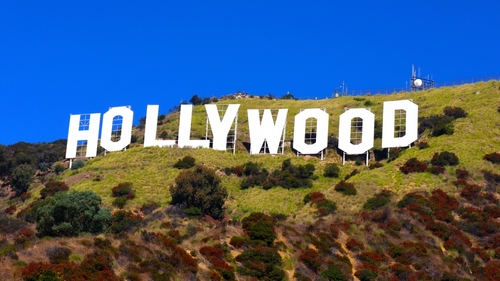
“An investigation by the U.S. (DoJ) into Paramount Skydance’s proposed acquisition of Warner Bros. Discovery has determined that the mammoth Hollywood media merger is not likely to harm competition in the industry or be harmful for consumers” ( @AP ). https://t.co/nZWbRGoqlX
— Professor Jeremy 🌎 (@JeremyHL) June 13, 2026
For viewers, near-term changes may be small. Over time, management will likely streamline apps, bundles, and back-office tools to cut overlap. That could mean fewer standalone services but more unified plans. Prices could go either way, depending on how much leverage the combined company gains with distributors and advertisers. Because the Department of Justice did not publish a full analysis here, consumers and workers will need to watch real-world outcomes, not just promises, in the months ahead [1][2].
How to Read This Through Today’s Politics
In a tense political climate, big approvals feed talk that elites protect their own. Supporters see a win for American media against technology giants. Opponents see another green light for consolidation that rarely helps regular people. Both sides do agree on this: the system often feels rigged, and transparency is thin. A clear, public explanation from the Department of Justice would help rebuild trust by showing how this decision serves competition and the public interest, not insiders [1][2].
Sources:
[1] YouTube – US Justice Department clears Paramount’s acquisition of Warner Bros
[2] Web – DOJ approves Paramount Skydance-Warner Bros. Discovery merger