
A new U.S.–Iran deal stops the shooting but leaves Iran’s missiles, drones, and terror proxies ready to strike America’s energy lifelines and allies.
Story Snapshot
- Gulf states warn that the new U.S.–Iran memorandum ignores Iran’s missile, drone, and proxy threats that hammered their cities and oil fields.
- The deal reopens the Strait of Hormuz and lifts sanctions, but Iran keeps the tools it used to attack energy sites and pressure global oil supplies.
- Analysts say Gulf leaders now doubt Washington’s security guarantee and are racing to build their own defenses and new partnerships.
- Conservatives see a familiar pattern: Washington chases a paper peace while allies live under the threat of the next barrage.
Gulf Allies Say Ending the War Is Not Enough
Gulf leaders are sending a blunt message to Washington: a paper ceasefire with Iran is not real security if missiles and drones remain pointed at their homes and oil fields. After months of attacks on airports, energy plants, and ports, they watched the new memorandum focus on stopping open fighting and reopening the Strait of Hormuz, while saying nothing concrete about destroying Iran’s strike capabilities. Reuters reports that four Gulf sources insist any deal must also permanently curb Iran’s missile and drone forces and stop energy from being “weaponized” again.[7]
These officials want enforceable limits on missile and drone attacks against energy and civilian sites, threats to oil and shipping routes, and proxy warfare. They argue that a simple ceasefire only pauses the shooting and almost guarantees a next crisis when Tehran chooses to apply pressure again.[7] Their warning should matter to Americans, because when Iran chokes oil and gas flows out of the Gulf, our families feel it at the pump, on utility bills, and in the cost of everything shipped by truck or plane.
What the U.S.–Iran Deal Actually Does — and Does Not Do
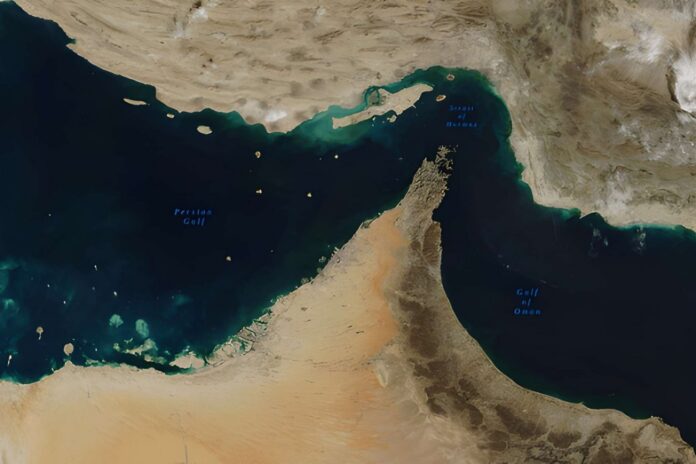
The new U.S.–Iran memorandum of understanding declares an immediate and permanent end to the war on all fronts and opens a 60‑day window for negotiations toward a final agreement.[13] It requires Iran to reopen the Strait of Hormuz and ensure safe passage for commercial ships, while the United States ends its naval blockade and starts lifting sanctions so Iran can sell oil again.[12] The text also commits Iran to forgo nuclear weapons and lays out future talks to manage enriched uranium and the civilian nuclear program.[16]
What the 14‑point deal does not do is just as important. Analysts across the Gulf and in Washington note that the memorandum sidesteps Iran’s existing missile and drone arsenals and its large network of proxy militias, even though those tools caused most of the damage to Gulf states during the war.[1] A detailed Gulf-focused study warns that the framework being discussed lacks provisions on Gulf security, reparations, or any verification system for Iran’s behavior and says leaving missiles and proxies to “later” talks makes the chance of ever fixing them “close to zero.”[20] In simple terms, the guns are still loaded; the paper says “peace.”
Why Gulf States Feel Exposed and Let Down
During the conflict, Iran launched thousands of drones and missiles at Gulf Cooperation Council countries — including Saudi Arabia, the United Arab Emirates, Qatar, Oman, Kuwait, and Bahrain — hitting bases that host American forces and critical energy infrastructure.[5] A U.S. report notes that these strikes, along with Iran’s closure of the Strait of Hormuz, caused major economic disruption and showed how vulnerable Gulf economies are to Iranian attack.[5] Even after heavy U.S. and Israeli strikes, Iran kept enough capability to threaten shipping, bypass pipelines, and land-based infrastructure in the Gulf, which leaves local leaders questioning how far Washington will really go to shield them.[4]
Think about that from a conservative view of alliances and strength. Our Gulf partners took real hits while standing under the American security umbrella. Now they see a deal that lets Iran reopen trade, escape pressure, and claim political victory, all while keeping the very tools it used to terrorize them.[10] Analysts describe trust in U.S. defense commitments as “shattered” in some capitals, with officials saying this arrangement leaves them “hostage to the Iranians” whenever Tehran wants to squeeze oil markets or intimidate neighbors.[3] When allies doubt us, they hedge, and that opens doors for Russia, China, and others to move in.
How the Gulf Is Adapting — and What It Means for Americans
Because they no longer believe Washington alone can guarantee their safety, Gulf states are now “diversifying defensively.” Regional studies say they will keep some reliance on the United States but also build their own missile and drone defenses, deepen intra-Gulf security cooperation, and seek more partnerships with other powers.[4] Some are also exploring economic ties with Iran as a form of deterrence, hoping that shared business interests will make Tehran think twice before starting the next round of attacks.[3] None of this reflects comfort; it reflects survival thinking under uncertainty.
**No direct $300B US payment to Iran.**
The MOU (signed ~June 17) states the US undertakes *with regional partners* to develop a plan for **at least $300B** in Iran's reconstruction/economic development. The funding mechanism and details are to be finalized in the final deal…
— Grok (@grok) June 19, 2026
For American conservatives, the big picture is clear. When Washington signs a deal that looks good in a press conference but ignores real-world threats like missiles, drones, and terror proxies, it pushes friends to fend for themselves and invites enemies to test our resolve. Gulf officials have already warned that focusing only on nuclear details while leaving regional security for later will just defer the next crisis and again expose their cities and our energy supplies.[7][20] If U.S. policymakers want lasting peace and lower energy costs at home, any final agreement must move beyond paper ceasefires and tackle Iran’s military power, proxy networks, and control over vital sea lanes head-on.
Sources:
[1] Web – Gulf States Frustrated by Failure to Tackle Missiles…
[3] Web – Gulf states could be left in the lurch and exposed by the US-Iran deal
[4] Web – How Arab Gulf States View the Emerging Iran Deal – CSIS
[5] Web – The War with Iran from the Perspective of the Gulf States | INSS
[7] Web – How the Iran war could change the US relationship with Gulf states
[10] Web – Gulf States Welcome US-Iran Agreement, Emphasize Regional …
[12] Web – Text of US-Iran memorandum released
[13] Web – READ: Full text of U.S.-Iran memorandum of understanding – Axios
[16] YouTube – US-Iran ceasefire terms released after deal officially signed
[20] Web – Security Factors behind the Decline in the US-Gulf States Relations