
A Florida police officer is accused of finding a dead man, then stepping into his identity to control the man’s home.
Story Snapshot
- Broward County investigators say a Lauderhill officer used a deceased man’s identity to manage his property.
- Charges include official misconduct and criminal use of a deceased person’s identification.
- Investigators cite permits, utilities, and taxes handled in the dead man’s name.
- The officer claimed he spent $214,000 on renovations and boosted the home’s value.
The Welfare Check That Sparked a Property Power Play
Lauderhill police responded to a welfare check on July 11, 2022, at 4551 Northwest 12th Street, where officers found homeowner Dennis West dead, according to investigators and contemporaneous reports. The home did not vanish into red tape. It became the center of a long, methodical case. Investigators now say Officer Brian Sguros, who backed up the call, did not just clear the scene. They allege he kept going, using West’s identity to take control of what came next at the house.
The arrest report account, as quoted in local coverage, states that Sguros paid taxes and utilities in West’s name and used West’s identification to secure a city permit for repairs. Investigators describe a paper trail that reached across permits, signatures, and account activity. That trail fits the logic of property exploitation after a death: pay the bills, fix the place, look official, and move the lines of control without ever holding the deed. This is where the criminal counts come in, and why they track to conduct, not a simple dispute over who gets the keys.
The Charges Match the Alleged Methods
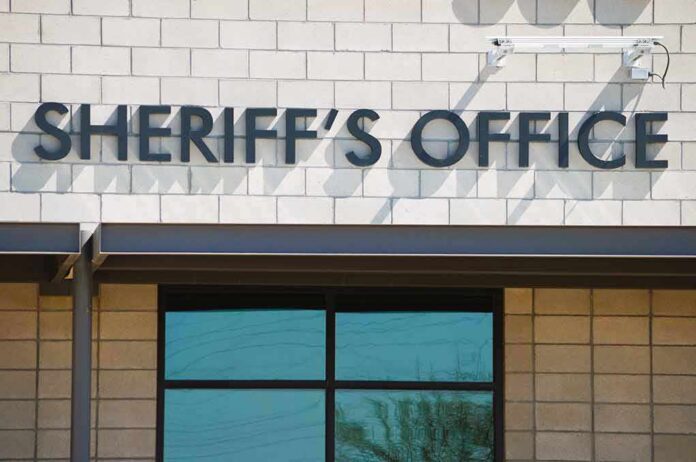
The Broward County Sheriff’s Office announced charges that include official misconduct, criminal use of deceased personal identification, criminal use of personal identification information, offense against a computer user, and unlawful use of a two-way communication device. Those counts point to identity use and the use of systems to push it forward. Authorities say this was not a gray-area squat. It was a set of acts that touched government records, utilities, and permits in the name of a man who could not consent because he was gone.
Reporters who reviewed the arrest materials note details about permit filings for windows and doors, use of a driver’s license, and a signature that opened the way to repairs. That matters. Permits leave timestamps, contacts, and approvals. If true, it means each step can be tested against records. Government paper can be slow, but it is sticky. It ties people, times, and tools together in a way that buzzwords cannot.
Money, Motive, and the Myth of “Free Houses”
Coverage cites a claim that Sguros said he spent at least $214,000 on cleaning, repairs, and upgrades, and that he claimed the work raised the home’s value to about $500,000. That number does two things. It suggests motive—sweat equity traded for control—and it sets up a trap. Florida does not hand out homes for showing receipts. Payment of taxes and utilities does not rewrite a deed. Permits do not create title. Real ownership runs through probate and the public record, not personal effort and a new roof.
Florida’s adverse possession law requires open and continuous possession for years, under strict conditions, and even then it is not a shortcut around title or an estate. Reporters note that any asserted filing in this case did not grant legal title. That aligns with common sense and with conservative values about property rights: the state protects clear title, recorded transfers, and lawful heirs. It does not reward someone for moving in after a tragedy and pushing paperwork in the dark.
How Investigators Built the Case
The Broward County Sheriff’s Office worked with the Broward County Property Appraiser’s Office Crimes Against Property Unit, a team built to chase fraud tied to land and homes. That pairing matters because identity misuse and property manipulation often cross wires between city permitting, county taxes, and utility accounts. Officials say the investigation tracked the welfare check, the identity usage, and the transactions that followed. The path from a July 2022 call to an October 2026 arrest signals a records-heavy probe, not a quick grab for headlines.
One news report quotes the arrest documentation that the officer represented himself as a friend of West in dealings around the property, a detail that investigators say helped smooth the process. Whether that was charm or cover, it fits a known pattern in property-fraud cases: claim a personal link, ease suspicion, move forward. A single sentence can open a file. A single signature can open a house. That is how small acts can grow into a felony stack.
What Comes Next and Why It Matters
The charges now move into court. The case sits at the edge where police authority, public trust, and property rights meet. The core claim is simple: a badge does not grant title, and a death does not create a vacuum that anyone can fill. If the facts hold, the case will stand as a warning to anyone eyeing a “free house” after a neighbor dies. If not, the record will say so. For now, the documented allegations carry weight because they align with records and statutes, not rumor.
Sources:
youtube.com, abcnews.com, nbcnews.com, bbc.com, wsvn.com, people.com, patch.com