Eight days before the midterms, President Trump promised $1 million to anyone whose tip helps convict a voter-fraud offender, but gave no plan for how the money would be paid or claimed.
Story Snapshot
- Trump offered $1 million per qualifying tip tied to arrest and conviction.
- The pledge covers past elections and the 2026 midterms.
- No funding source, agency, or submission process was named.
- News outlets note fraud cases exist but are rare overall.
What Trump Announced and When
On October 26, 2026, President Trump posted that anyone reporting voter fraud in past elections or the 2026 midterms would receive $1,000,000 after an arrest and conviction. He repeated the offer on camera the same day, saying the reward would go to tips that lead to an arrest and conviction. The timing places the pledge a week before voting. The offer’s terms set a high bar: no payout unless a case ends in a conviction in court.
https://www.youtube.com/watch?v=wd3exLQ-qKU
Coverage from national outlets described the same core elements: a $1 million reward per qualifying case, a focus on both past and upcoming elections, and a direct link between a tip, a criminal arrest, and a final conviction. Reports also noted that the White House did not add further detail beyond the public statements. The message fits Trump’s longer push on election integrity, now paired with a cash incentive aimed at encouraging public reporting of alleged crimes.
Missing Mechanics: Money, Management, and Method
Trump’s promise did not say who pays the reward, what budget funds it, or which office runs it. There was no submission portal, hotline, or form. No standard was given for how officials would judge whether a tip caused a conviction, or how to handle multiple tipsters. Outlets highlighted these gaps and reported no clarifying memo from the administration. Without rules, the plan risks confusion, disputes, and slow action when leads arrive.
Because payment depends on conviction, prosecutors and judges control the key step. The announcement did not name the responsible agencies or define covered offenses. That leaves questions about who tracks cases, verifies tipster impact, and approves any payout. Legal authority and appropriations also remain unclear. Reporters underscored that these unanswered pieces could affect public trust in the offer and its real-world use during the final days before voting.
What We Know About Actual Voter-Fraud Incidents
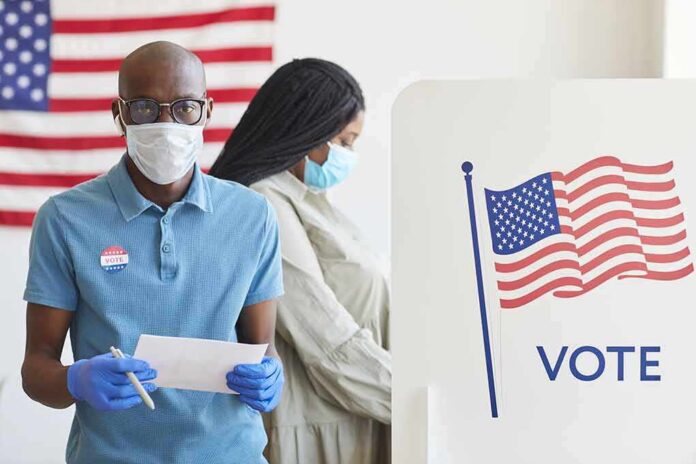
Documented voter-fraud cases do occur, often involving single ballots or small schemes. Examples include someone returning a ballot for a deceased relative or giving false information on a mail-ballot request. A major network’s review noted such incidents happen but described them as occasional, not widespread across modern elections. That picture shows real crimes that can be prosecuted, but at a scale far below claims of sweeping national fraud.
Hmmm REMEMBER PEOPLE… PRESIDENT TRUMP IS OFFERING A HUGE $ REWARD(1 MILLION DOLLARS) FOR ANYONE REPORTING VOTER FRAUD THAT ENDS WITH A CONVICTION! https://t.co/hyg7o54zYD
— 😎LisaMarie😎 (@LisaSteelersGal) October 27, 2026
Independent research groups also report very low rates of individual voter fraud across studied elections. The Brennan Center for Justice has long concluded that fraud by voters is exceedingly rare and not on a scale to change outcomes. While advocates may debate policy responses, the baseline data suggest isolated cases rather than systemic abuse. That context matters when weighing the likely impact of a large cash reward on both real tips and false or partisan claims.
Why This Matters for Voters and Trust
Americans across the spectrum feel the system is letting them down. Many see elites gaming rules while regular citizens face rising costs and fading trust. A big, simple offer may sound like action, but without rules and funding, it can raise hopes and doubts at the same time. Clear guidance, transparent tracking, and public reporting would help people judge whether the reward finds crimes or just fuels noise as voters try to make sense of another tense election week.
What to Watch Next
Watch for any formal guidance from the White House or the Department of Justice on how to submit tips, how cases will be evaluated, and how payments would be approved. Look for actual arrests and convictions tied to specific tips, and whether any payouts occur. Track whether state election officials report a surge in leads, and how many prove valid. Specific, verifiable outcomes—not just headlines—will show if this promise helps root out real crimes or deepens the fog.
Sources:
thegatewaypundit.com, upi.com, nytimes.com, france24.com, yahoo.com