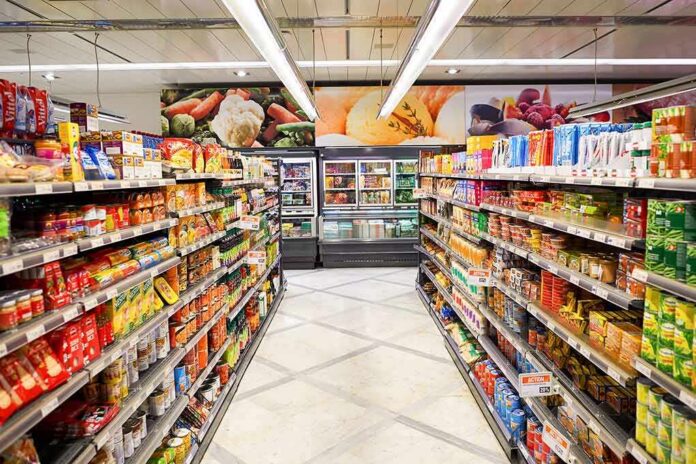
Someone raised supermarket freezer temperatures across Sweden, Belgium, and Luxembourg overnight, and stores say the changes were not authorized.
Story Snapshot
- Retailers reported sudden remote changes to refrigeration settings in three countries.
- France saw a similar, larger case weeks earlier that hit hundreds of stores.
- Brands called it an “IT incident” while probes continue; no actor named yet.
- Legacy controllers and remote access raise the risk of copycat attacks.
What happened and where the facts are firm
Delhaize, part of Ahold Delhaize, reported an information technology incident that altered refrigeration settings at about 40 Belgian stores. Carrefour Belgium reported related problems at 15 locations. The company said the cause was still under review. In Sweden, ICA said a limited number of stores saw an overnight issue with freezers and coolers. Coop confirmed problems at six stores in central Sweden. The chains did not declare it a confirmed cyberattack but pointed to unusual, remote changes.
These three-country events followed a French incident in October that authorities treated as cybercrime. The French government and prosecutors described widespread manipulation of supermarket refrigeration settings across several major chains. Reports said hundreds of stores were affected, food spoiled, and some systems were shut off to stop further risk. The French probe centered on remote access to store controllers that manage cooling set points, with operators disconnecting systems to prevent repeat commands.
How the attack likely worked, and why it is plausible
Refrigeration today runs on networked controllers that vendors and service teams can manage from afar. If someone gets into those systems, even a small set-point change can waste entire cases of meat and dairy. Investigators and industry sources tied the French case to older control platforms that lacked current security updates. They cited internet-facing management pages and outdated firmware as weak spots. That mix lines up with how attackers have hit building systems before, from thermostats to compressors.
The newer disruptions in Belgium, Luxembourg, and Sweden look similar on the surface: late-night remote changes and scattered stores across multiple chains. That pattern fits a hands-on-keyboard intruder, a stolen vendor login, or a script that writes bad set points. It does not prove a single campaign or one brand of controller. Delhaize and others said they are still investigating links to France. Without logs or a named tool, a firm tie is not established, and that matters for prevention.
What retailers did and what that signals
Stores moved fast to keep food safe and stop any second wave. Staff isolated affected systems and, in some places, shut down refrigeration until they could confirm safe temperatures. That response lines up with a suspected remote compromise more than with a simple mechanical fault. France offered the clearest example of this defensive posture, where managers cut connectivity to stop more commands from reaching their cooling hardware. Food safety rules require action first and questions later.
European Supermarket Freezers Face New Security Incident
Supermarkets in Sweden and Belgium and Luxembourg reported refrigeration failures overnight on 1 November 2026.
Sweden's Coop confirmed that six of its stores were affected.
Another Swedish retailer named ICA reported… pic.twitter.com/AysZelbWDR
— Apollo (@ApollonVisual) November 2, 2026
Public statements used careful language. Belgian and Swedish chains called the events information technology incidents, not confirmed hacks. The cause remained under review. That caution is normal during a live probe. It also reflects insurance and legal stakes if an event is ruled a cyberattack. Still, the core observable fact remains: temperatures moved in ways staff did not order, at odd hours, across many stores. That is the red flag that triggers containment.
What to watch next: proof, links, and fixes
Three answers will decide how this story ends. First, evidence that shows commands were issued, rather than sensor or power faults. That means controller logs and set-point histories. Second, signs of shared tools between the French case and the newer incidents, such as the same remote gateway, domain, or login pattern. Third, a hardware inventory: which controller models, what firmware, and how remote access was guarded. If those puzzle pieces match, expect coordinated fixes and possible law-enforcement action.
Common sense steps should not wait. Retailers should lock down remote access with strong authentication and move internet-facing portals behind a virtual private network. They should update or retire legacy controllers that vendors no longer patch. They should also set hard limits on set-point changes and alarms that page humans when thresholds shift at night. These are basic stewardship moves. They protect families, cut waste, and keep shelves stocked without drama.
Sources:
cphpost.dk, people.com, tallahassee.com, fortune.com