

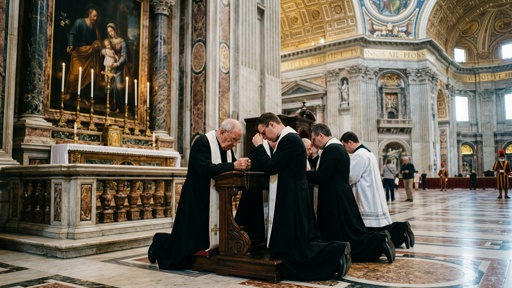
An openly gay designer entrusted with Pope Leo XIV’s sacred vestments raises profound questions about tradition in the Catholic Church amid a new pontiff’s reign.
Sorcinelli’s Established Role in Papal Design
Filippo Sorcinelli designs liturgical vestments that merge medieval symbolism with modern elements for the Vatican. He created pieces for Pope Benedict XVI and Pope Francis before Pope Leo XIV’s election. These garments symbolize theology and papal authority, evolving from historical roots. Sorcinelli’s ongoing access underscores his position as a trusted collaborator in sacred attire.
Pope Leo XIV’s Wardrobe Choices Signal Leadership Style
Pope Leo XIV wears Sorcinelli’s custom vestments shortly after his election, marking a seamless transition in design partnerships. Sorcinelli describes the pontiff’s preferences in a Daily Mail interview, noting how colors and fabrics communicate spiritual messages. These choices distinguish Leo XIV’s style from predecessors while maintaining liturgical continuity. The revelations offer rare glimpses into Vatican aesthetics during a papal shift.
Media Focus on Designer’s Identity Sparks Broader Debate
Daily Mail emphasizes Sorcinelli’s identity as openly gay, framing his role as insider access to papal secrets. This angle contrasts with the Church’s traditional values, prompting scrutiny from conservatives wary of secular influences on sacred symbols. Catholics concerned with preserving doctrinal purity view the publicity as a departure from principles founded on faith and moral clarity. The story amplifies frustrations with elite insiders reshaping institutions.
Vatican offices approve all designs, balancing Sorcinelli’s innovations with orthodoxy. His motivations include promoting his atelier, while media pursues clickable controversy. This dynamic reveals power structures where outsiders gain privileged entry, echoing public distrust of unaccountable elites across political lines.
Implications for Church and Culture
The partnership boosts Sorcinelli’s profile and elevates liturgical fashion in secular circles. Short-term media buzz challenges stereotypes about Church collaborations, potentially normalizing diverse talents in religious art. Long-term, it may draw more modern designers to Vatican projects, influencing future pontiffs’ visual theology. Conservatives see risks to timeless traditions amid 2026’s cultural shifts under President Trump’s America First policies.
Both left and right share unease over institutions prioritizing image over core missions. Catholics, like many Americans, feel leaders favor personal agendas over foundational principles of faith, family, and freedom. This episode underscores a call to reclaim heritage against encroaching progressivism.