
A $240 million U.S. Navy surveillance drone conducted extensive reconnaissance missions around Cuba, sending a clear message to China and its Caribbean allies that American forces are watching every move in what appears to be the Trump administration’s latest chess move to strangle Beijing’s oil supply routes.
High-Altitude Surveillance Targets Strategic Shipping Routes
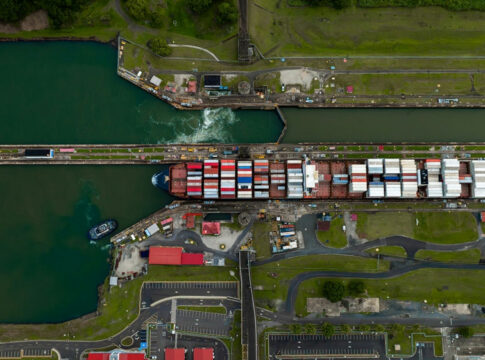
The U.S. Navy MQ-4C Triton drone, designated BLKCAT6, conducted extended reconnaissance missions off Cuba’s northwestern and southern coasts from April 15-17, 2026. The sophisticated surveillance aircraft loitered near Havana and monitored the Jamaica Channel, a critical shipping strait connecting the Panama Canal to Atlantic routes. Flying at altitudes between 49,000 and 49,100 feet, the Triton demonstrated its ability to cover vast areas while monitoring maritime traffic. The publicly tracked flight paths represented a deliberate intelligence signal rather than an operational security failure, with open-source intelligence providers confirming the drone’s strategic orbits over key Caribbean chokepoints.
Trump Administration Expands Caribbean Pressure Campaign
The surveillance operations form part of the broader Southern Spear Operation, launched by U.S. Southern Command in September 2025 with an estimated $3 billion budget for Caribbean operations. President Trump has expressed clear intentions regarding Cuba, stating in March 2026 that he “could do anything I want with it,” signaling potential future action. The drone missions specifically target shadow tanker operations that supply Chinese and Venezuelan oil to Cuba, representing what analysts describe as America’s fourth strategic move against Beijing’s energy supply chains. This approach mirrors previous U.S. actions in Venezuela, the Strait of Hormuz, and the Malacca Strait, demonstrating coordinated pressure on China’s global oil access.
Chinese Intelligence Facility Draws Increased Scrutiny
Cuba hosts a Chinese electronic intelligence facility in Bejucal, located just 30 kilometers from Havana, which has operated since the 1990s with recent upgrades. The Trump administration views this installation as a significant counterintelligence threat to U.S. security interests. The MQ-4C Triton’s advanced capabilities enable comprehensive maritime intelligence, surveillance, and reconnaissance across 4 million square nautical miles during each 24-hour mission. Developed by Northrop Grumman and entering Navy service in 2018, the drone provides persistent monitoring that conventional manned aircraft cannot match. The coincidence of a Venezuelan regime jet passing through the area during surveillance operations underscores the interconnected nature of Cuban, Venezuelan, and Chinese cooperation in the region.
Cuban Regime Issues Warning Amid Rising Tensions
Cuban President Díaz-Canel responded to increased U.S. military presence on April 16, 2026, declaring Cuba “ready to confront serious threats, including military aggression” if unavoidable. His statement, delivered on the 65th anniversary of the Socialist Revolution Proclamation, deliberately evoked memories of the 1961 Bay of Pigs invasion. The regime faces severe economic pressure from U.S. sanctions and blockade efforts, remaining dependent on Chinese aid and oil shipments from shadow tankers. February 2026 saw similar reconnaissance activity when another Triton drone operated north of Cuba alongside RC-135V/W Rivet Joint and P-8 Poseidon aircraft, establishing a pattern of sustained American surveillance. These operations demonstrate the asymmetric advantage U.S. forces maintain through advanced technology and strategic positioning.
Strategic Implications for Energy Security and Regional Control
The surveillance missions carry significant implications for both immediate maritime security and long-term strategic positioning in the Caribbean. Short-term effects include increased pressure on Chinese oil supply routes and potential disruptions to shadow tanker operations supporting Cuba’s struggling economy. Long-term consequences could involve establishment of U.S. bases on Cuban territory, providing complete control over Caribbean shipping lanes and neutralizing Chinese intelligence capabilities. The Trump administration’s approach reflects traditional conservative principles of projecting American strength and countering foreign adversaries in our hemisphere. These operations defend U.S. national security interests against communist regimes that have threatened American values and security for decades, representing exactly the kind of decisive leadership that protects our southern flank from hostile foreign powers.
Sources:
US’ Fourth Chess Move: The Drone Over Cuba That’s Really Watching China
U.S. Navy drone conducts surveillance flight around Cuba
US Navy lost MQ-4C spy drone in Iran war
Navy Admits $240M Drone Was Lost in Trump War Mishap
People need to be reminded occasionally that Cuba, along with the USSR, were going to attack the United States with nuclear weapons in the early ’60s. Cuba deserves nothing but scorn at best, and covert operations are surely in the works.