
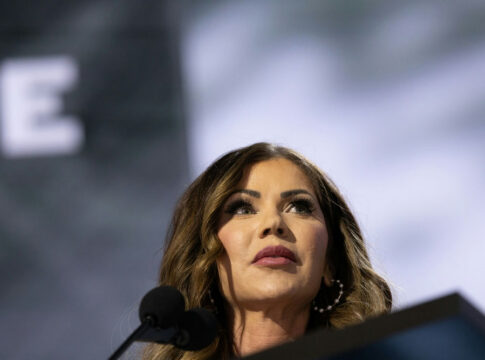
President Trump’s removal of DHS Secretary Kristi Noem wasn’t about border security failures—it was a calculated response to mounting bipartisan congressional pressure threatening impeachment after deadly operational disasters and wasteful spending scandals that even fiscal conservatives couldn’t ignore.
The Official Story Doesn’t Match the Timeline
Trump praised Noem’s “numerous and spectacular results (especially on the Border!)” when announcing her March 5, 2026 departure via Truth Social. He framed her transition as a promotion to Special Envoy for The Shield of the Americas, a newly created Western Hemisphere security initiative. Yet the announcement came immediately after House Judiciary Committee hearings where both parties grilled Noem on fatal shootings, spending excesses, and disaster response failures. The timing reveals what Trump wouldn’t say publicly: Noem became politically untenable despite achieving border enforcement objectives conservatives supported.
Minneapolis Shooting Deaths Created Constitutional Flashpoint
The most damaging controversy involved federal agents shooting and killing two U.S. citizens—Renée Good and Alex Pretti—during ICE-related protests in Minneapolis under Noem’s watch. This incident provided Democrats with ammunition to frame aggressive immigration enforcement as constitutional overreach threatening American citizens’ lives. Congressional hearings focused intensely on these deaths, with Congressman Seth Moulton declaring “Good riddance. Now, she should be prosecuted” upon Noem’s removal. Democrats introduced the NOEM Act (National Oversight and Enforcement of Misconduct) permitting civil suits against ICE agents, directly challenging executive authority over immigration enforcement operations.
Fiscal Conservatives Balked at Half-Billion Dollar Spending Spree
While Democrats attacked enforcement tactics, Republicans grew alarmed at DHS spending under Noem’s leadership. Over $200 million in taxpayer funds went toward advertisements while another $300 million funded private luxury plane usage—fiscal excess that contradicted conservative principles of government efficiency. These expenditures emerged during congressional oversight hearings, creating bipartisan criticism that weakened Noem’s position. Even Trump supporters who backed tough immigration enforcement questioned whether half a billion dollars in questionable spending justified the political fallout, especially when combined with disaster response failures drawing Republican complaints.
Disaster Response Failures United Both Parties Against Noem
FEMA funding delays and inadequate disaster coordination generated rare bipartisan agreement that Noem’s DHS failed basic governmental responsibilities beyond immigration. Republicans typically supportive of Trump’s border agenda joined Democrats in criticizing slow emergency approvals and poor disaster response coordination. Massachusetts Governor Maura Healey called Noem an “absolutely terrible appointment” whose tenure damaged DHS’s institutional credibility. This bipartisan dissatisfaction proved fatal—Trump could withstand Democratic opposition, but Republican criticism signaled Noem lost support within the coalition that originally backed her hardline immigration stance.
Impeachment Threats Forced Trump’s Decision
House Democratic Leader Hakeem Jeffries explicitly stated Democrats would pursue either Noem’s firing or impeachment proceedings, presenting Trump with a political calculation. Jeffries outlined a 10-point reform agenda including judicial warrants for ICE operations, racial profiling bans, protection of sensitive locations like schools and houses of worship, criminal background checks for ICE agents, excessive force prohibitions, and state authority to investigate ICE agents. Rather than defend Noem through impeachment proceedings that would consume political capital and expose operational controversies to prolonged scrutiny, Trump chose the path preserving both his border security narrative and political maneuverability.
The Reassignment Strategy Saved Face While Removing Liability
Trump’s decision to reassign rather than fire Noem reveals strategic damage control. By creating the “Special Envoy for The Shield of the Americas” position, Trump avoided admitting Democrats forced his hand while removing a Cabinet secretary who became a lightning rod for criticism. Oklahoma Senator Markwayne Mullin will replace Noem effective March 31, 2026. Trump emphasized Mullin’s credentials as a “MAGA warrior” with 10 years in the House, 3 years in the Senate, and background as an undefeated professional MMA fighter—signaling continuity in enforcement philosophy despite personnel change. This approach allows Trump to maintain his tough-on-immigration brand while addressing congressional pressure.
The Real Reason Trump Fired Kristi Noem Is Not What You've Been Toldhttps://t.co/KX67H1FQMA
— PJ Media (@PJMedia_com) March 6, 2026
The unstated reality cuts through Trump’s public praise: cumulative operational failures, fiscal mismanagement, and explicit impeachment threats made Noem’s position unsustainable regardless of border enforcement achievements. Personal allegations of an affair with top advisor Corey Lewandowski—which both denied—added vulnerability during congressional hearings. Trump faced a choice between defending Noem through damaging impeachment proceedings or preserving political capital for broader agenda items. The reassignment solution removed the liability while avoiding admission that congressional pressure determined Cabinet composition. Immigration advocacy groups correctly noted that personnel changes mean nothing without policy reforms, but for conservatives frustrated with government waste and constitutional overreach concerns, the question becomes whether Mullin will balance enforcement effectiveness with fiscal responsibility and operational restraint that Noem’s tenure lacked.
Sources:
HollywoodLife – Why Was Kristi Noem Fired by Trump?